For years, AI-powered code-editing tools like Cursor, Windsurf, and GitHub’s Copilot have been the norm in software development. However, with the rise of agentic AI and vibe coding, a subtle shift has occurred in how AI systems interact with software.
Shift to the Terminal
Instead of focusing solely on code, AI systems are now increasingly engaging directly with the system’s shell where they are installed. This shift to the terminal represents a significant change in AI-powered software development, with potential implications for the future direction of the field.
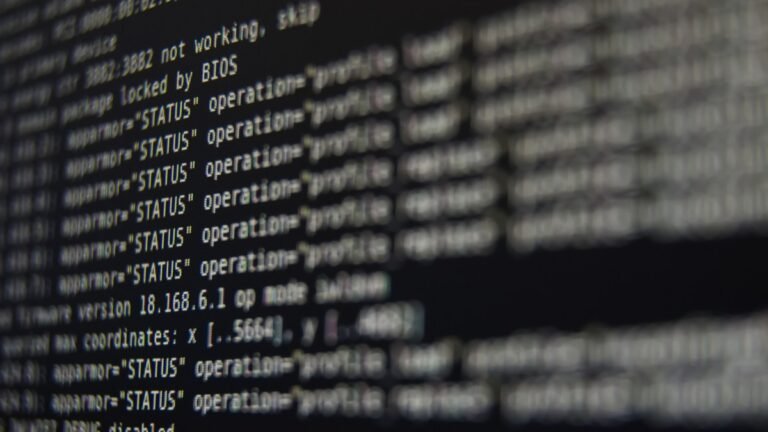
The terminal, often associated with the classic black-and-white screen from ’90s hacker movies, may lack the visual appeal of modern code editors. Nevertheless, it remains a powerful interface for running programs and manipulating data, particularly for bridging the gap between written code and functional software.
Terminal Tools in Action
Major research labs such as Anthropic, DeepMind, and OpenAI have recently introduced command-line coding tools like Claude Code, Gemini CLI, and CLI Codex, respectively. These tools, operating under familiar branding, mark a notable shift towards terminal-based interactions with computers, both online and offline.
The Role of the Terminal
Terminal-based tools are gaining prominence as traditional code editors face challenges. Research indicates that programmers might be overestimating productivity gains from conventional tools, leading to increased interest in solutions like Warp, a top performer on Terminal-Bench. Founder Zach Lloyd sees the terminal as a versatile environment, capable of addressing complex development challenges beyond the scope of traditional code editors.
In contrast to code-centric tools, terminal-based approaches adopt a broader perspective by considering the entire program environment. This encompasses coding tasks as well as DevOps activities like server configuration and script troubleshooting. By tackling problems step-by-step, terminal-based tools demonstrate the problem-solving capabilities crucial for developers.
The shift towards the terminal offers a new paradigm for AI-powered software development, where agentic models can navigate complex environments and handle non-coding tasks efficiently. Despite challenges, the terminal’s potential remains untapped, with opportunities for further innovation and advancement in the field.