There’s a widely accepted narrative in Silicon Valley: conceive a startup idea, secure venture capital funding by selling equity, generate sales, raise more venture capital, and continue this cycle until the company goes public or gets acquired for a substantial sum.
However, what if a startup decided not to enter this fundraising treadmill after the initial round? What if the company was structured to prioritize profitability through sustainable growth, rather than pursuing unprofitable growth commonly associated with VC-backed firms?
Strategic Funding Decisions
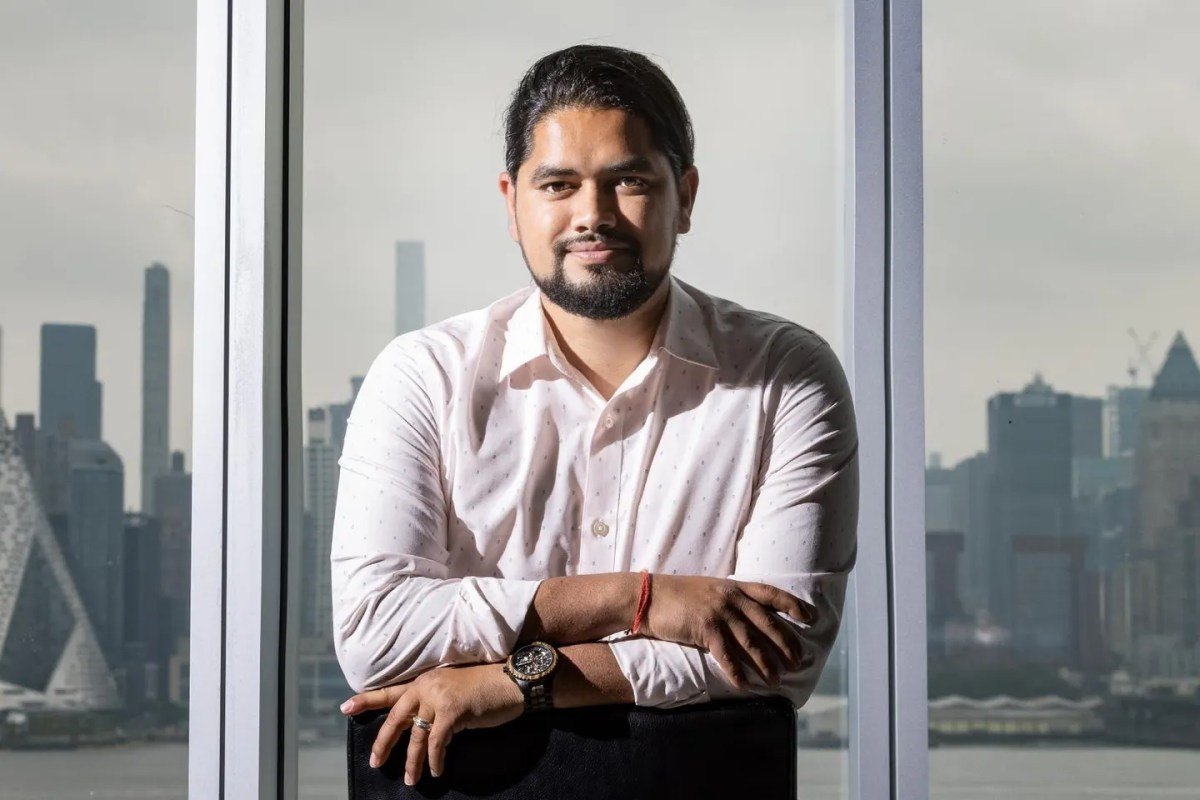
Founder and CEO of SecurityPal AI, Pukar Hamal, faced such considerations after raising a $21 million Series A round in 2021 and nearly depleting those funds a year later. Reflecting on his previous venture, which raised capital before achieving product-market fit, Hamal identified this approach as a key mistake.
For SecurityPal, Hamal adopted a different strategy. He waited until the company reached $1 million in annual recurring revenue (ARR), which took about a year, before securing the Series A funding.
Challenges and Adaptations
Despite initial success, SecurityPal encountered a financial crisis in 2022 due to rising interest rates and a volatile VC market. Facing the prospect of running out of funds within 14 months, Hamal implemented drastic cost-cutting measures, including significant layoffs, to extend the company’s financial runway.
Embracing a new approach focused on achieving cash flow break-even and profitability, Hamal prioritized sustainable growth over rapid expansion fueled by venture capital. While acknowledging the resurgence of VC funding in 2025, Hamal emphasized the potential downsides associated with excessive capital raising, such as increased expectations, loss of control, and pressure to scale rapidly.
Strategic Growth and Long-Term Viability
Hamal advocates for “durable growth” at SecurityPal, characterized by steady progress and customer-centric practices. He highlights the challenges of fast sales leading to high churn rates and emphasizes the benefits of slower, more deliberate growth in achieving healthy margins and stable cash flow.
While not opposed to venture capital, Hamal encourages founders to consider alternative paths to sustainable growth and financial independence. By focusing on building a business that reduces dependence on repeated VC funding, startups can position themselves for long-term success.
For further insights into Hamal’s perspective on funding strategies and alternative capital sources, listen to the full conversation on the Equity podcast.