Bradley Tusk finds success with ‘equity-for-services’ over traditional VC

Investors Exhibit Favorable Sentiment Towards Lovable

Investors are showing strong interest in Swedish vibe-coding startup Lovable, with unsolicited offers valuing the company at over $4 billion, Read more

Instagram introduces new feature allowing users to speed up reels, mirroring the popular trend seen on TikTok.

Meta-owned Instagram is once again taking inspiration from TikTok by introducing a new feature. This time, users can now play Read more

North Korean Hackers Pose as Job Seekers in US Companies to Steal Millions

The U.S. Treasury has uncovered a sophisticated fraud network used by North Korea to target American companies with hackers disguised Read more

Waze says goodbye to Google Assistant on iOS after ongoing issues

Since 2020, iPhone users have been dealing with problems integrating Google Assistant with Waze on iOS. The company has been Read more

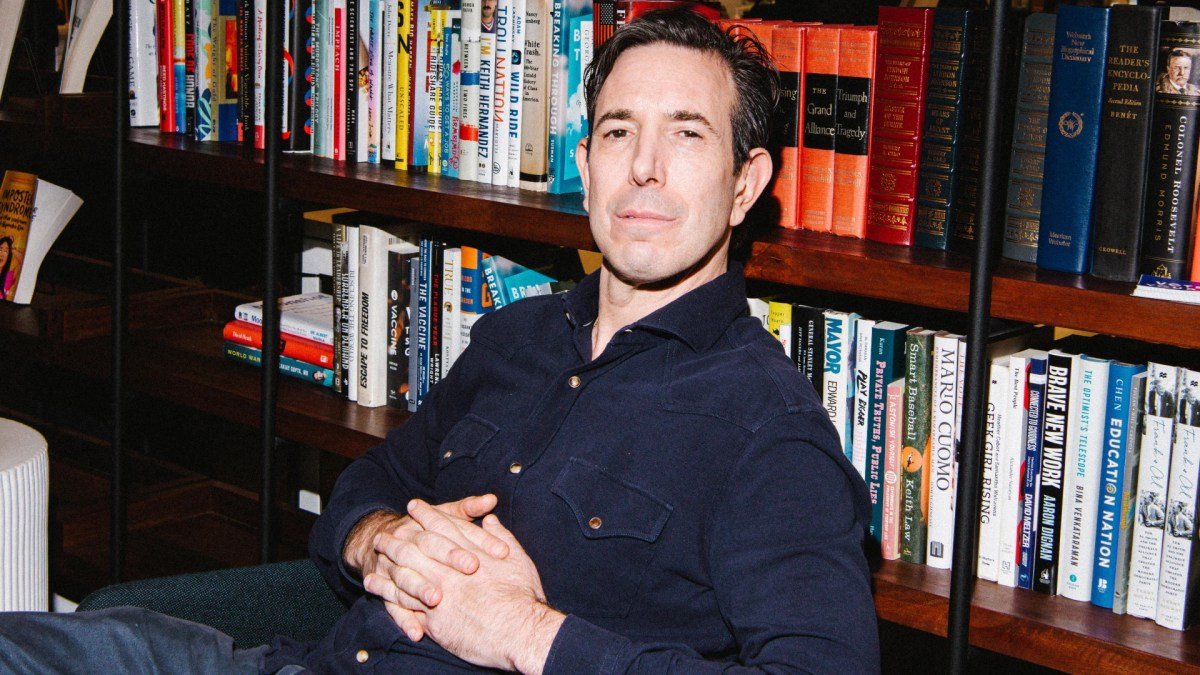
Bradley Tusk, co-founder of Tusk Venture Partners, shared with TechCrunch his perspective that the traditional VC model is no longer viable. Instead of raising a fourth fund, Tusk is embracing an “equity-for-services” approach, where he trades expertise for equity in startups.

Back to Basics

Tusk’s shift to equity-for-services harkens back to his early days when Uber paid him in equity for his political consulting services. This model allows him to focus on what he loves – helping startups navigate regulatory challenges.

Money Talks

Surprisingly, Tusk found that he actually made more money with equity-for-services compared to traditional venture investing. By keeping 100% of the proceeds, he bypasses the obligations of returning investment capital to investors and paying fees.

See also  UnitedHealth removes mentions of DEI from its website

Tusk Venture Partners will continue supporting its current portfolio companies until 2031, showcasing a commitment to their success in this evolving landscape.


OpenAI adjusting compensation after losing researchers to Meta

Microsoft AI Chief Warns Against Studying AI Consciousness