
Bitcoin reached a new all-time high of $118,900 on Friday, surpassing its previous record of $113,822 set on Thursday. As Read more

Selling software to companies can be a daunting task, especially when it comes to meeting security requirements. Chas Ballew, founder Read more

Earlier this week, San Diego startup Gallant announced $18 million in funding to bring the first FDA-approved ready-to-use stem cell Read more
The world’s richest man buys out one of the most popular social media platforms and uses it as a propaganda Read more
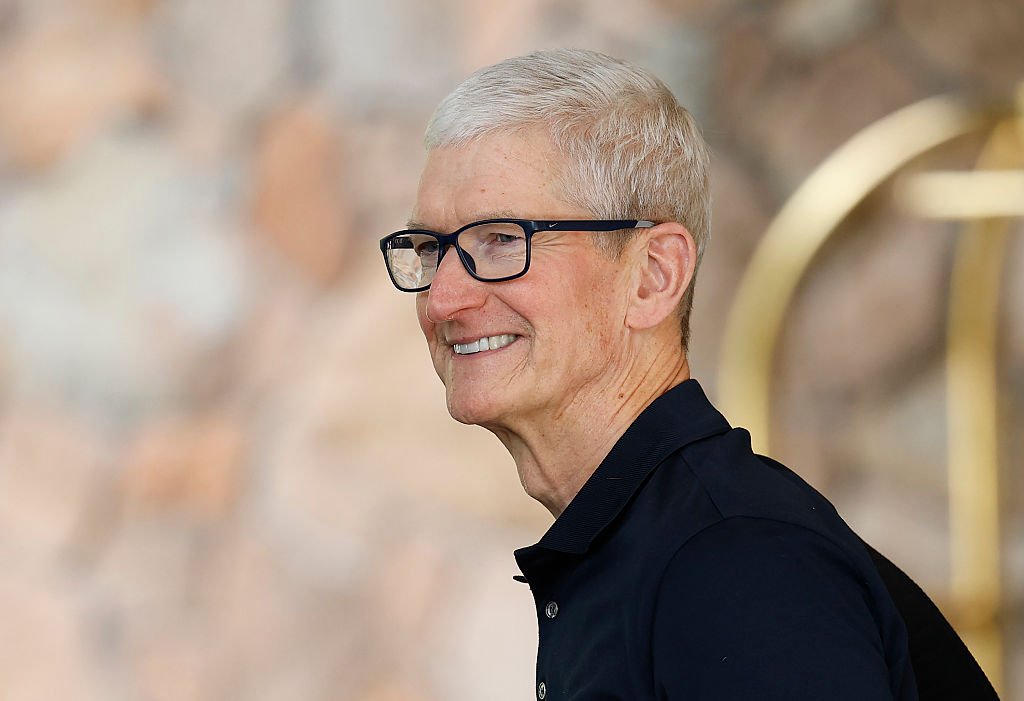
Tariffs are expected to cost Apple $1.1 billion in the July-to-September quarter, CEO Tim Cook revealed in the company’s recent earnings call with investors. Despite the increase from the previous period, there is a possibility that the actual costs may end up being lower than projected, as was the case in the previous quarter when Apple incurred around $800 million in tariff-related expenses, below the $900 million estimate shared in May.
Impact of Tariffs on Apple
Most of the tariffs imposed on Apple are a result of the International Emergency Economic Powers Act (IEEPA), with recent trade agreements between the U.S. and China leading to a 30% tariff on imports from China. Sales of Apple devices, particularly the iPhone, have been strong despite the fear of tariffs affecting consumer behavior. Cook emphasized that the product’s quality played a significant role in driving sales growth.
Manufacturing Strategy
Apple has been diversifying its manufacturing locations to mitigate the impact of tariffs, with a focus on countries with lower tariff rates. While India, China, and Vietnam are major manufacturing hubs for Apple products, the company has been increasing production in India and Vietnam to reduce dependence on China, which faces a 25% tariff.
Future Strategy
President Trump’s concerns about Apple’s supply chain focus shifting towards India have led to threats of a 25% tariff unless iPhone production is moved to the U.S. Cook reassured investors of Apple’s commitment to the U.S. and announced plans to invest $500 billion in the country over the next four years.
Overall, Apple is navigating the challenges of tariffs while continuing to innovate and deliver high-quality products to consumers worldwide.