
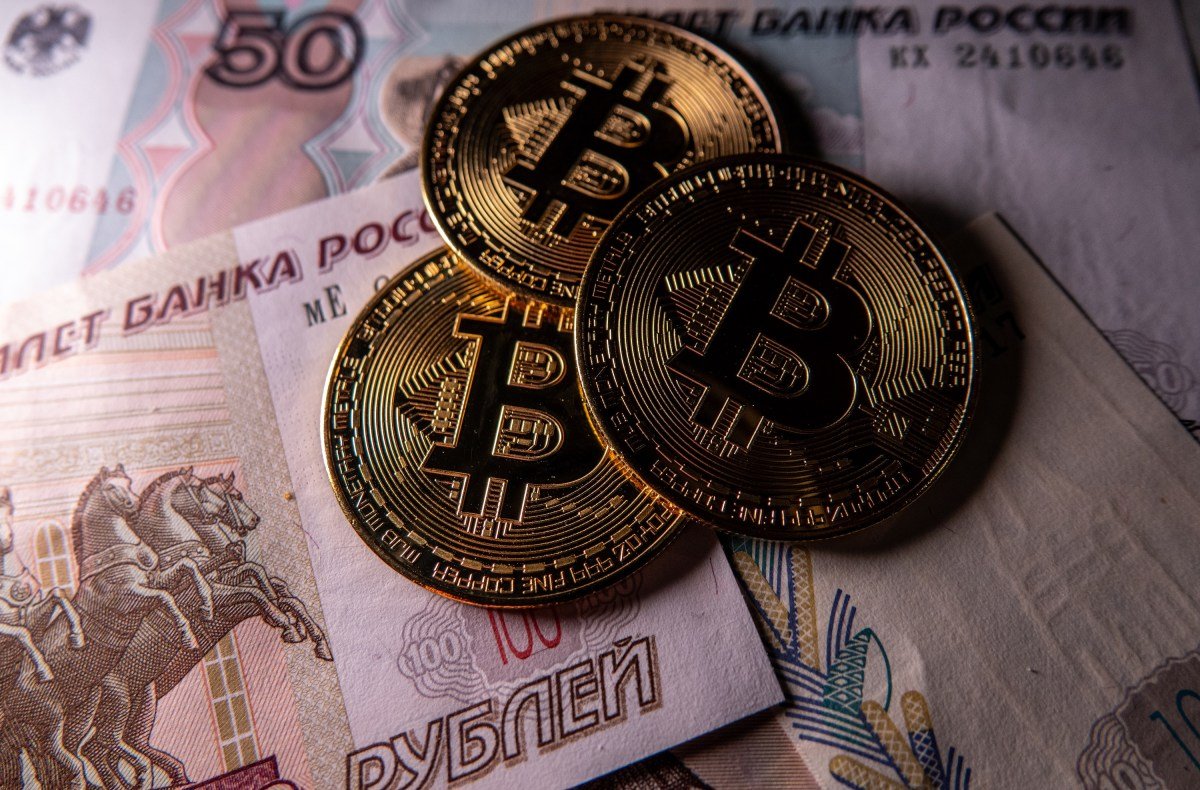
Bitcoin reached a new all-time high of $118,900 on Friday, surpassing its previous record of $113,822 set on Thursday. As Read more

Selling software to companies can be a daunting task, especially when it comes to meeting security requirements. Chas Ballew, founder Read more

Earlier this week, San Diego startup Gallant announced $18 million in funding to bring the first FDA-approved ready-to-use stem cell Read more

The world’s richest man buys out one of the most popular social media platforms and uses it as a propaganda Read more
Top Indian startups in the real-money gaming space are feeling the heat as New Delhi moves to ban the sector through new legislation. The Promotion and Regulation of Online Gaming Bill, 2025, recently passed by the Indian Parliament, aims to completely ban real-money gaming while promoting casual online games and esports. The bill now awaits presidential assent to become law, signaling the end of an era for real-money gaming in India.
Startup Shutdowns
Following the bill’s passage, major players like Dream Sports and Mobile Premier League (MPL) have started shutting down their real-money gaming operations. Dream Sports, backed by prominent investors, has already closed its quick-play fantasy gaming app, Dream Picks, with plans to cease all real-money gaming activities once the legislation takes effect. MPL, another key player in the industry, has also suspended real-money games and deposits.
Industry Impact
The ripple effect of the legislation extends beyond Dream Sports and MPL, affecting startups like Gameskraft, Probo, and Zupee, who have also ceased their real-money gaming operations. Employees at these startups are now on the lookout for new job opportunities, as the companies adjust to stay afloat in the changing regulatory landscape.
Uncertain Future
Despite the significant impact on the industry, most startups have chosen not to challenge the law in the Indian Supreme Court. The future of real-money gaming in India remains uncertain, with industry estimates highlighting the sector’s substantial economic contributions, tax revenues, and growth potential.
As the real-money gaming sector in India faces a transformation, the industry and its players are navigating uncharted waters, bracing for the impact of the new legislation on their business models and operations.