
Billionaire Elon Musk's AI Startup xAI Launches $300 Million Share Sale Billionaire Elon Musk’s AI startup, xAI, is reportedly launching Read more

The head honcho at the United States Institute of Peace (USIP) is not too happy with Elon Musk's Department of Read more

Employer.com has acquired MainStreet.com for an undisclosed amount, the latest fintech startup to get snapped up by the workforce management Read more

Arizona lawmakers are currently discussing a bill that could provide protection for utilities against lawsuits related to wildfires, a potential Read more
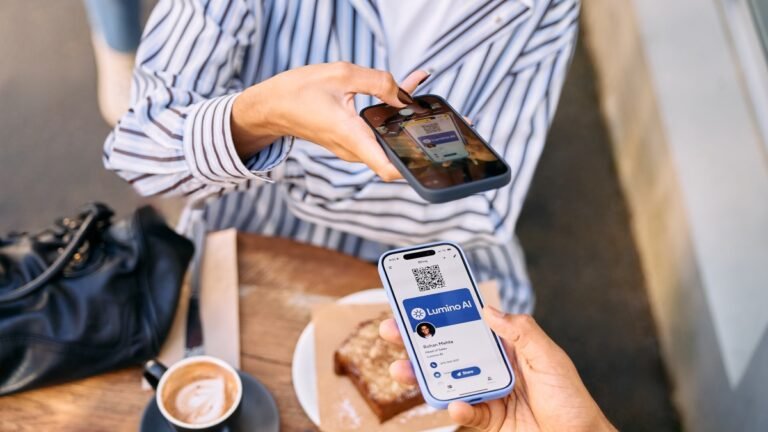
It’s the year 2025, and despite technological advancements, business cards are still a common sight at conferences and industry expos. However, with smartphones now serving as our primary source of information and contacts, many are eager to explore digital alternatives to traditional business cards.
Blinq, a startup based in Melbourne, recognized this trend back in 2017 when it launched a digital business card app featuring a QR-code widget. Fast forward to today, and the company has achieved remarkable success, boasting over 2.5 million users across 500,000 companies in the U.S., Canada, the U.K., and Australia.
The startup recently secured a $25 million Series A funding round led by Touring Capital, with support from returning backers Blackbird Ventures and Square Peg Capital, as well as new investor HubSpot Ventures. CEO and founder Jarrod Webb attributes much of Blinq’s success to the widespread adoption of QR codes, accelerated by the COVID-19 pandemic.
Blinq has adopted a B2C2B approach, allowing users to create customized digital business cards for various purposes and easily connect with contacts. The app seamlessly integrates with CRM systems such as HubSpot and Salesforce through QR codes, email signatures, NFCs, short links, or video call backgrounds.
Despite facing competition from other digital business card services and social networking platforms like LinkedIn, Blinq distinguishes itself by focusing on building relationships and providing users with multiple ways to follow up and engage with new contacts.
Webb envisions digital business cards as a starting point rather than an endpoint, emphasizing the importance of being the trusted tool at the beginning of a relationship. By offering dynamic profiles and innovative ways to stay connected, Blinq aims to expand into new markets, strengthen its presence with businesses and enterprises, and adapt to the rapidly changing landscape of interpersonal connections.