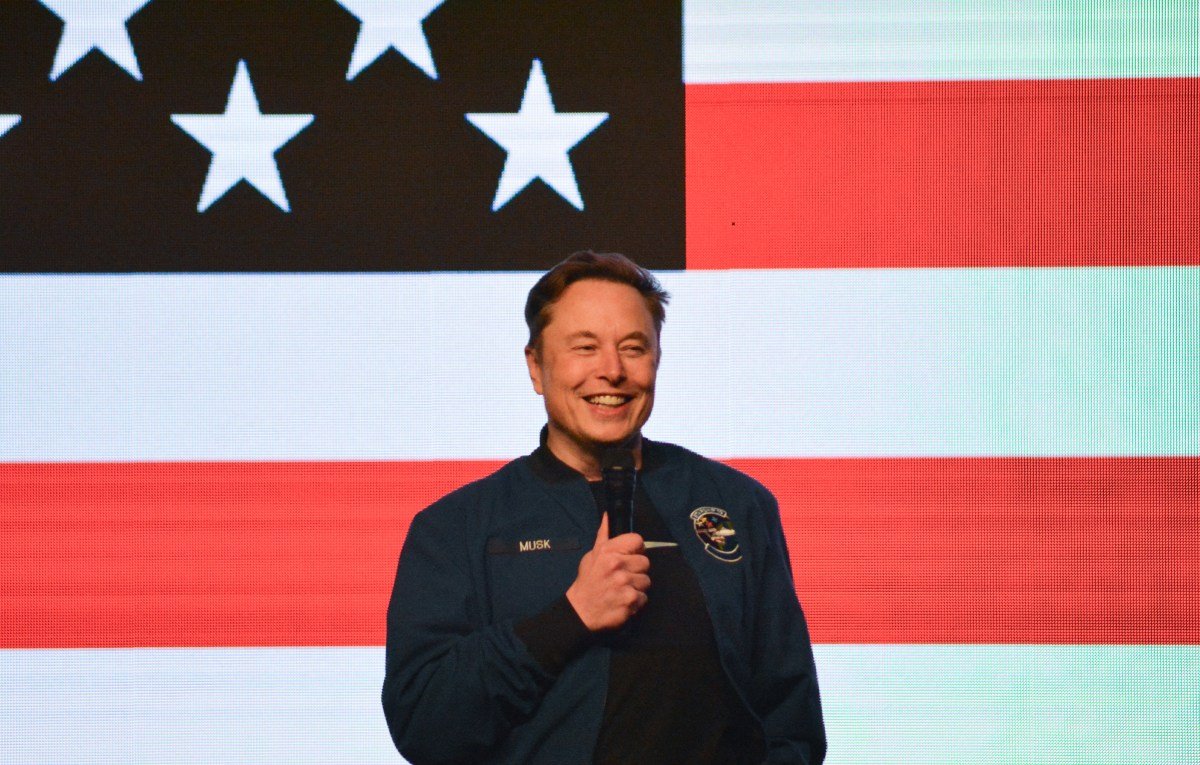
Billionaire Elon Musk's AI Startup xAI Launches $300 Million Share Sale Billionaire Elon Musk’s AI startup, xAI, is reportedly launching Read more
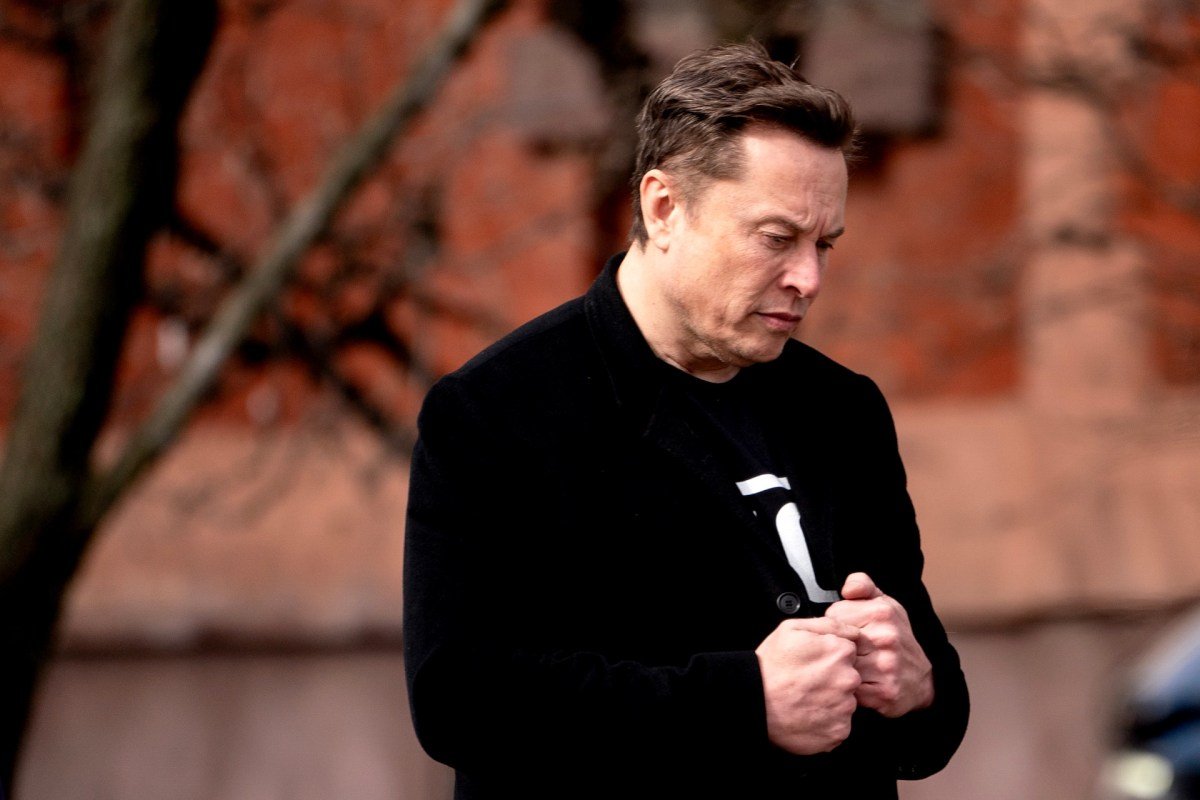
The head honcho at the United States Institute of Peace (USIP) is not too happy with Elon Musk's Department of Read more

Employer.com has acquired MainStreet.com for an undisclosed amount, the latest fintech startup to get snapped up by the workforce management Read more

Arizona lawmakers are currently discussing a bill that could provide protection for utilities against lawsuits related to wildfires, a potential Read more
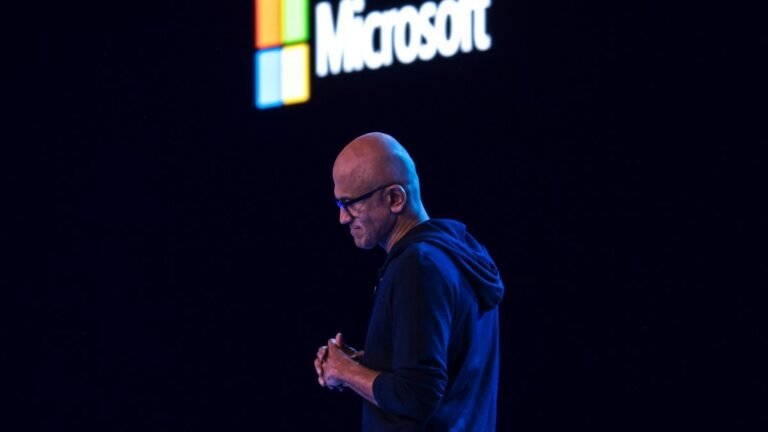
Microsoft’s latest sustainability report, unveiled last week, highlights the challenges of reducing carbon emissions in a carbon-heavy economy. The company’s carbon footprint has increased by 23.4% since 2020, largely due to rapid expansion of data centers to support cloud and AI operations. While purchasing clean electricity is relatively straightforward, the construction materials used in these facilities, such as steel, concrete, and computer chips, are carbon-intensive.
Scope 3 Emissions and Challenges
Scope 3 emissions, which make up over 97% of Microsoft’s carbon footprint, include raw materials, transportation, and purchased goods and services. Capital goods and purchased goods contribute significantly to the company’s total carbon emissions. The construction of data centers, powered by fossil fuels and chemical reactions producing carbon dioxide, is a major driver behind Microsoft’s Scope 3 emissions.
Challenges and Progress Towards 2030 Goals
Despite a slight decrease in emissions from 2023 to 2024, Microsoft faces the ambitious target of removing more carbon pollution than it generates by 2030. The company is investing in solar power and zero-carbon electricity, with a portfolio of 34 gigawatts of capacity. However, the rapid growth in AI and cloud services poses additional challenges to meeting sustainability goals by 2030.