Twitter co-founder and Block CEO Jack Dorsey is not only working on new social apps like Bitchat and Sun Day, Read more

For the past 18 months, Rivian and Google engineers have been working together on a new project that is now Read more

Humans have found it hard to quit fossil fuels, which is why some argue that we’ll soon need to start Read more

Coal-fired power plants have made quite a mess over the past century. From climate change to health issues, they haven't Read more
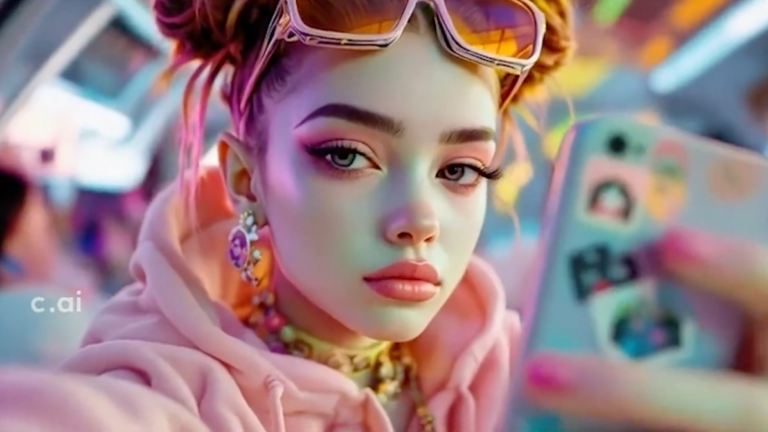
Character.AI, a leading platform for chatting and roleplaying with AI-generated characters, unveiled its forthcoming video generation model, AvatarFX, on Tuesday. Available in closed beta, the model animates the platform’s characters in a variety of styles and voices, from human-like characters to 2D animal cartoons.
AvatarFX distinguishes itself from competitors like OpenAI’s Sora because it isn’t solely a text-to-video generator. Users can also generate videos from preexisting images, allowing users to animate photos of real people.
📽️Say hello to AvatarFX — our cutting-edge video generation model. Cinematic. Expressive. Mind-blowing. Dive in: https://t.co/aF5zDrKLIK #CharacterAI #AvatarFX pic.twitter.com/Rkqo4SXEgX
It’s immediately evident how this kind of tech could be leveraged for abuse — users could upload photos of celebrities or people they know in real life and create realistic-looking videos in which they do or say something incriminating. The technology to create convincing deepfakes already exists, but incorporating it into popular consumer products like Character.AI only exacerbates the potential for it to be used irresponsibly.
Character.AI told TechCrunch that it will apply watermarks to videos generated with AvatarFX to make it clearer that the footage isn’t real. The company added that its AI will block the generation of videos of minors, and that images of real people get filtered through the AI to change the subject into a less recognizable person. The AI is also trained to recognize images of high-profile celebrities and politicians to limit the potential for abuse.
Since AvatarFX is not widely available yet, there is no way to verify how well these safeguards work.
Character.AI is already facing issues with safety on its platform. Parents have filed lawsuits against the company, alleging that its chatbots encouraged their children to self-harm, to kill themselves, or to kill their parents.
In one case, a 14-year-old boy died by suicide after he reportedly developed an obsessive relationship with an AI bot on Character.AI based on a “Game of Thrones” character. Shortly before his death, he’d opened up to the AI about having thoughts of suicide, and the AI encouraged him to follow through on the act, according to court filings.
Tech and VC heavyweights join the Disrupt 2025 agenda
These are extreme examples, but they go to show how people can be emotionally manipulated by AI chatbots through text messages alone. With the incorporation of video, the relationships that people have with these characters could feel even more realistic.
Character.AI has responded to the allegations against it by building parental controls and additional safeguards, but as with any app, controls are only effective when they’re actually used. Oftentimes, kids use tech in ways that their parents don’t know about.
Updated, 4/23/25, 9:45 AM ET with comment from Character.AI