
Bitcoin reached a new all-time high of $118,900 on Friday, surpassing its previous record of $113,822 set on Thursday. As Read more

Selling software to companies can be a daunting task, especially when it comes to meeting security requirements. Chas Ballew, founder Read more

Earlier this week, San Diego startup Gallant announced $18 million in funding to bring the first FDA-approved ready-to-use stem cell Read more
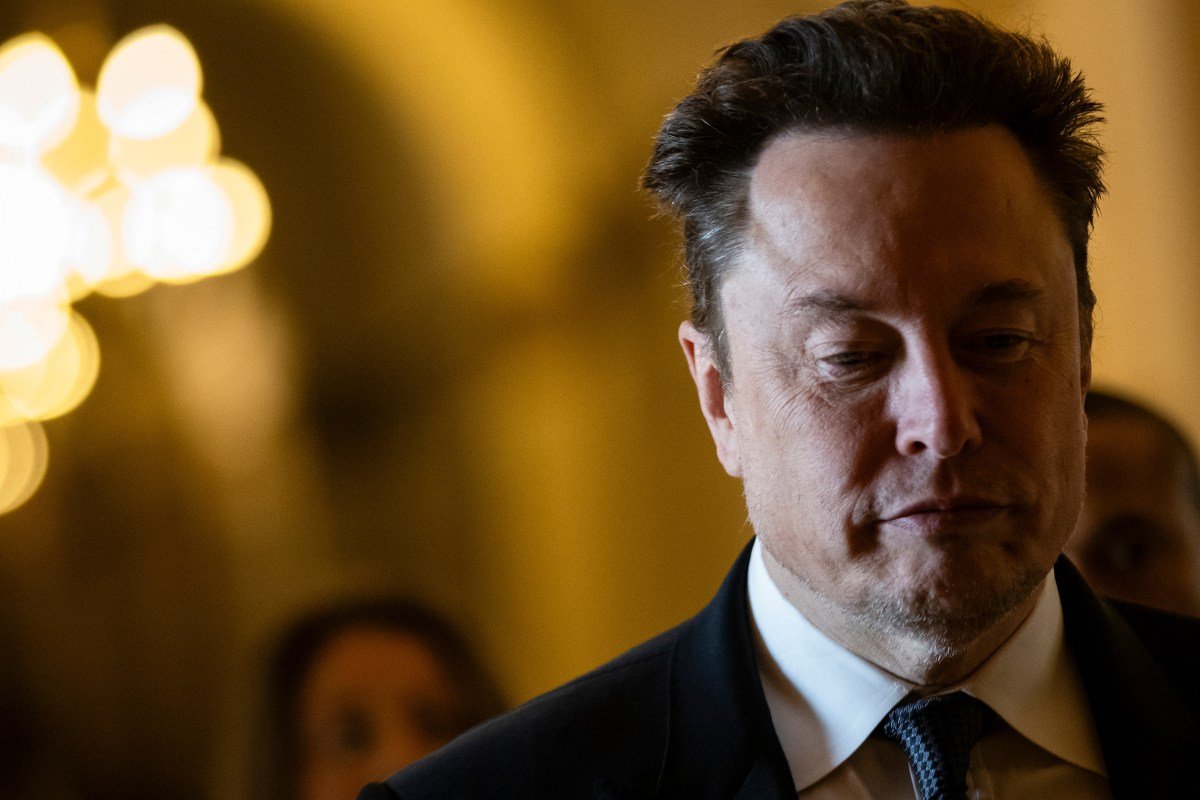
The world’s richest man buys out one of the most popular social media platforms and uses it as a propaganda Read more
A federal proposal is on the table to prevent states and local governments from regulating AI for up to 10 years. This move, spearheaded by Sen. Ted Cruz and other lawmakers, aims to be included in a GOP megabill to be voted on by the Senate ahead of a crucial July 4 deadline.
Supporters of the proposal, including figures like Sam Altman from OpenAI and Marc Andreessen from a16z, argue that a fragmented landscape of AI regulations across states could impede American innovation, especially in the race against China. On the other hand, critics from various sectors warn that such a provision could hinder states from enacting laws safeguarding consumers from AI-related harms, potentially allowing powerful AI companies to operate with minimal oversight.
The recent developments have seen adjustments to the proposal, shortening the pause on state AI regulation to five years and including exemptions for certain areas like child safety and individual rights. However, the impact of these changes on existing state AI laws remains uncertain.
The potential implications of this moratorium extend beyond the initial proposal, affecting laws already in place in states like California and Tennessee. The debate around the moratorium’s inclusion in the budget bill highlights the complexities of regulating AI at a state level and the balancing act between innovation and oversight.
What’s next for this proposal?
As the Senate engages in a series of rapid votes on amendments to the budget bill, the fate of the AI moratorium hangs in the balance. While proponents argue for a unified approach to AI regulation to maintain U.S. competitiveness, opponents raise concerns about stifling innovation and bypassing necessary oversight.
The case against preemption
Critics of the proposal highlight the potential drawbacks of a blanket moratorium on state AI laws, emphasizing the need for collaboration between government and AI companies to establish transparency standards. The debate also reflects broader discussions on states’ rights, federal oversight, and industry responsibility in shaping the future of AI governance.
What do Americans want?
While lawmakers debate the merits of the proposed AI moratorium, public opinion remains divided. Recent surveys show a demand for more regulation around AI, with concerns about government effectiveness and industry accountability in managing technological advancements.
Overall, the ongoing discussions around AI regulation underscore the challenges of balancing innovation, consumer protection, and regulatory oversight in the rapidly evolving landscape of artificial intelligence.