

A bunch of Canadian news outlets are in a tizzy, suing OpenAI for allegedly using their content without permission. The Read more
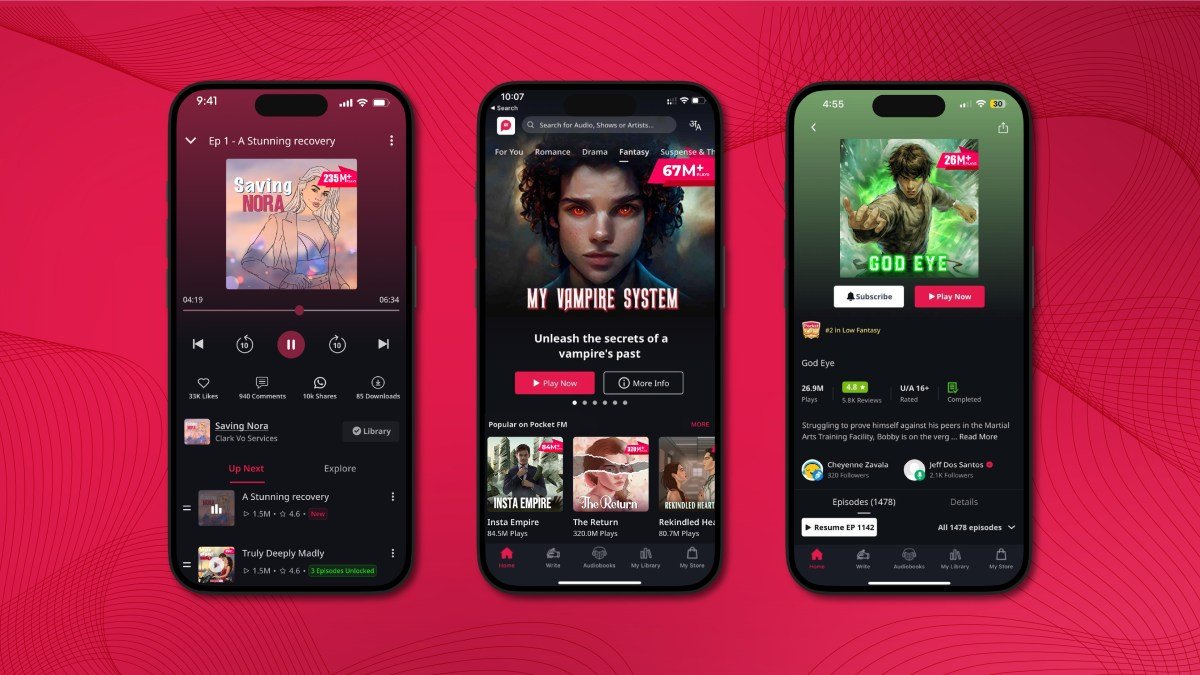
India-based audio platform Pocket FM has a vast content library. However, CEO Rohan Nayak believes there is room for expansion Read more
ChatGPT Search, OpenAI's AI-powered web search experience, has officially launched for all ChatGPT users, introducing several new features to enhance Read more

Humanz, a cutting-edge marketing platform for content creators and brands, has officially made its debut in the U.S. market, as Read more
Microsoft is introducing new APIs for its web browser, Edge, allowing developers to integrate AI functionality into web apps using models built into Edge. Revealed at Build 2025, these AI APIs offer similar features to Google Chrome, providing “built-in AI” for developers to enhance their web applications. With the release of Phi 4 mini in late February, Edge’s new APIs grant websites and browser extensions access to an AI model with around 3.8 billion parameters, specializing in math problems. This move by Microsoft aims to compete with Google Chrome and attract developers to its platform.
Expanding its AI capabilities, Edge will also include writing assistance APIs for text generation, summarization, and editing. Microsoft plans to release a translator API in the coming months for AI-powered language translations within Edge. These experimental APIs are designed as potential web standards, ensuring privacy and security through on-device processing for developers working with sensitive data or in regulated industries. All new AI APIs are currently accessible in the Edge Canary and Dev channels.
In other news, Microsoft is introducing a translation tool for PDFs in Edge, supporting over 70 languages. Users can translate a PDF by opening it in Edge, clicking the “Translate” icon in the address bar, and creating a new document in their preferred language. PDF translation will be available next month, and Canary users can test it out immediately.