
Caroline Mitterdorfer began her fertility journey after a cancer diagnosis at age 27. She co-founded Levy Health to help speed Read more
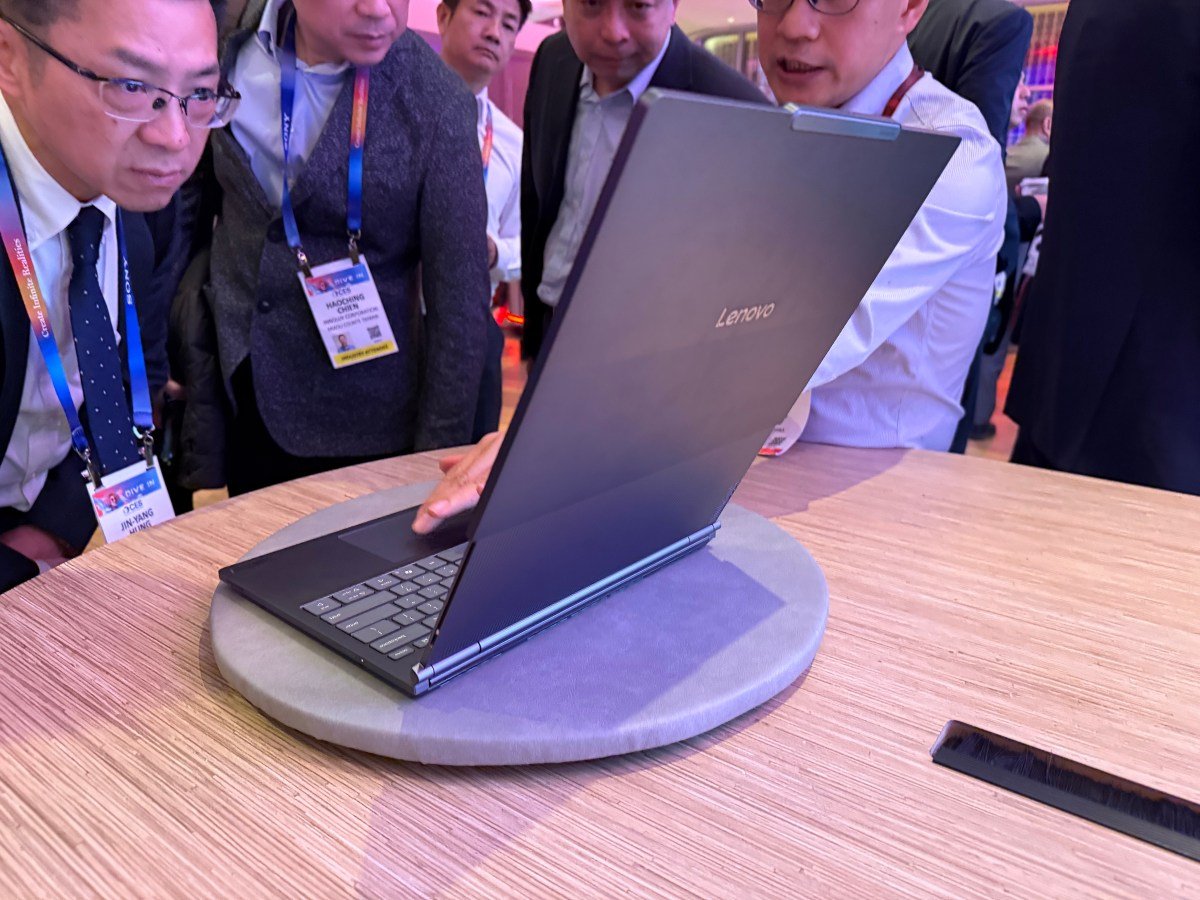
Large corporations typically play it safe when it comes to consumer hardware, sticking to incremental updates year after year. Lenovo, Read more

Welcome to the Edtech World Big news in the education tech world! PowerSchool, the edtech giant, recently experienced a data Read more

Telegram Expanding Access to Crypto Wallet Telegram is now offering its crypto wallet to its 87 million users in the Read more
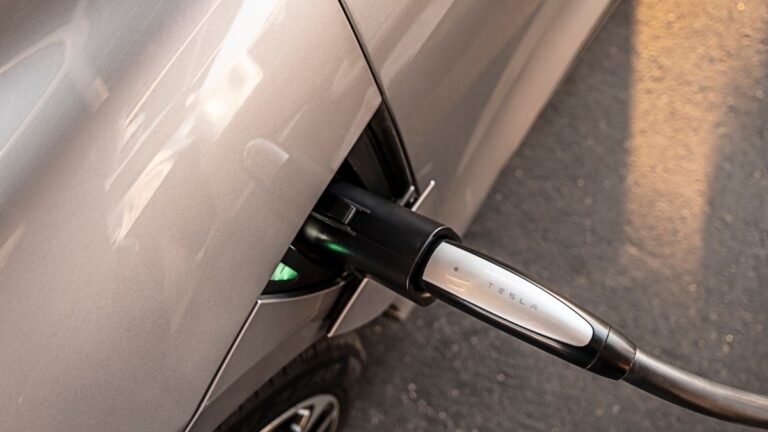
Owners of the Lucid Air sedan will now have the convenience of charging their luxury EVs at thousands of Tesla Supercharger stations in North America starting July 31. This long-awaited agreement between the two automakers finally allows Lucid Air vehicles to access Tesla’s network of fast chargers with an approved adapter costing $220. However, there is a catch – Lucid Airs will only be able to charge at 50 kW, significantly slower than Tesla vehicles that can charge at up to 250 kW.
The Challenge of Charging Speeds
The discrepancy in charging speeds arises from the mismatch between Lucid’s 924-volt charging system and Tesla’s 400V Superchargers. Despite this limitation, Lucid has managed to repurpose hardware in the Air’s charging system to enable 50kW boost charging when using a Supercharger. This slower charging speed is seen as an alternative option for owners during road trips or for those who are in close proximity to Superchargers.
Transition to the North America Charging Standard
In recent years, Tesla introduced its own charging standard known as the North America Charging Standard (NACS), which has gained traction in the EV industry. Automakers such as Ford, GM, Rivian, and others have agreed to adopt the NACS charging port in their future EV models, following Tesla’s lead. Lucid, a late entrant in this agreement, announced that its upcoming EV, the Gravity SUV, will also feature a built-in NACS charging port. This shift towards a standardized charging infrastructure marks a significant development in the EV market.