Billionaire Elon Musk's AI Startup xAI Launches $300 Million Share Sale Billionaire Elon Musk’s AI startup, xAI, is reportedly launching Read more

The head honcho at the United States Institute of Peace (USIP) is not too happy with Elon Musk's Department of Read more

Employer.com has acquired MainStreet.com for an undisclosed amount, the latest fintech startup to get snapped up by the workforce management Read more

Arizona lawmakers are currently discussing a bill that could provide protection for utilities against lawsuits related to wildfires, a potential Read more
OpenAI has decided to maintain its nonprofit division’s control over its for-profit organization, despite initially planning to convert to a for-profit entity. The business wing of OpenAI, which has been under the nonprofit’s umbrella since 2019, will transition to a public benefit corporation (PBC), with the nonprofit retaining control and a significant ownership stake in the PBC.
According to OpenAI Board Chairman Bret Taylor, the company was founded as a nonprofit and will continue to be overseen and controlled by that nonprofit. The decision to retain control was made after engaging in dialogue with civic leaders and the Attorney Generals of Delaware and California.
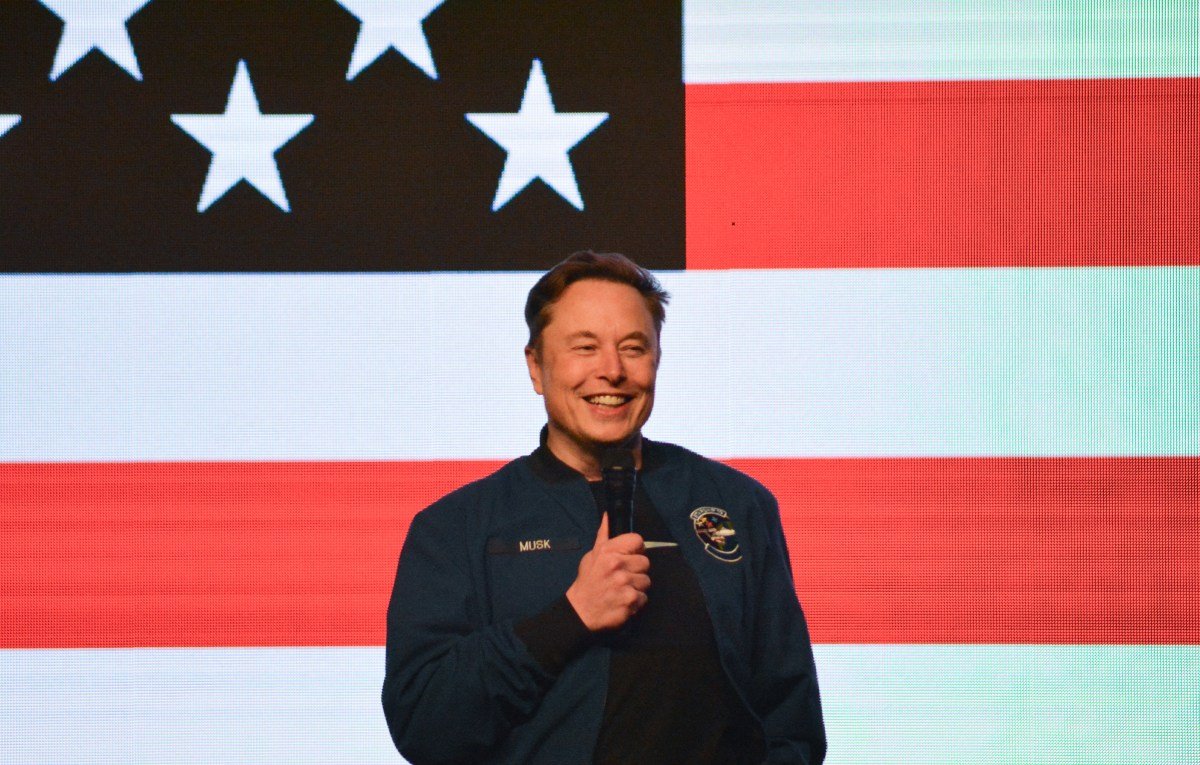
The proposed conversion to a for-profit entity faced opposition from various parties, including early investor Elon Musk, who filed a lawsuit against OpenAI. Musk’s complaint alleges that OpenAI was straying from its nonprofit mission of ensuring that its AI research benefits humanity as a whole. Despite a federal judge denying Musk’s request for a preliminary injunction, the case is set to go to a jury trial in spring 2026.
Additionally, a group of ex-OpenAI employees and Encode, a nonprofit, supported Musk’s lawsuit against OpenAI. Various organizations, including nonprofits and labor groups, petitioned California Attorney General Rob Bonta to halt OpenAI’s transition to a for-profit entity, citing concerns about protecting charitable assets.
OpenAI, which believed that converting to a for-profit entity was necessary to raise capital for expansion and growth, is now facing uncertainty after reversing its decision. CEO Sam Altman emphasized the importance of OpenAI’s nonprofit division becoming a significant shareholder in the PBC and highlighted the need for trillions of dollars to make the company’s services accessible to humanity as a whole.