Twitter co-founder and Block CEO Jack Dorsey is not only working on new social apps like Bitchat and Sun Day, Read more
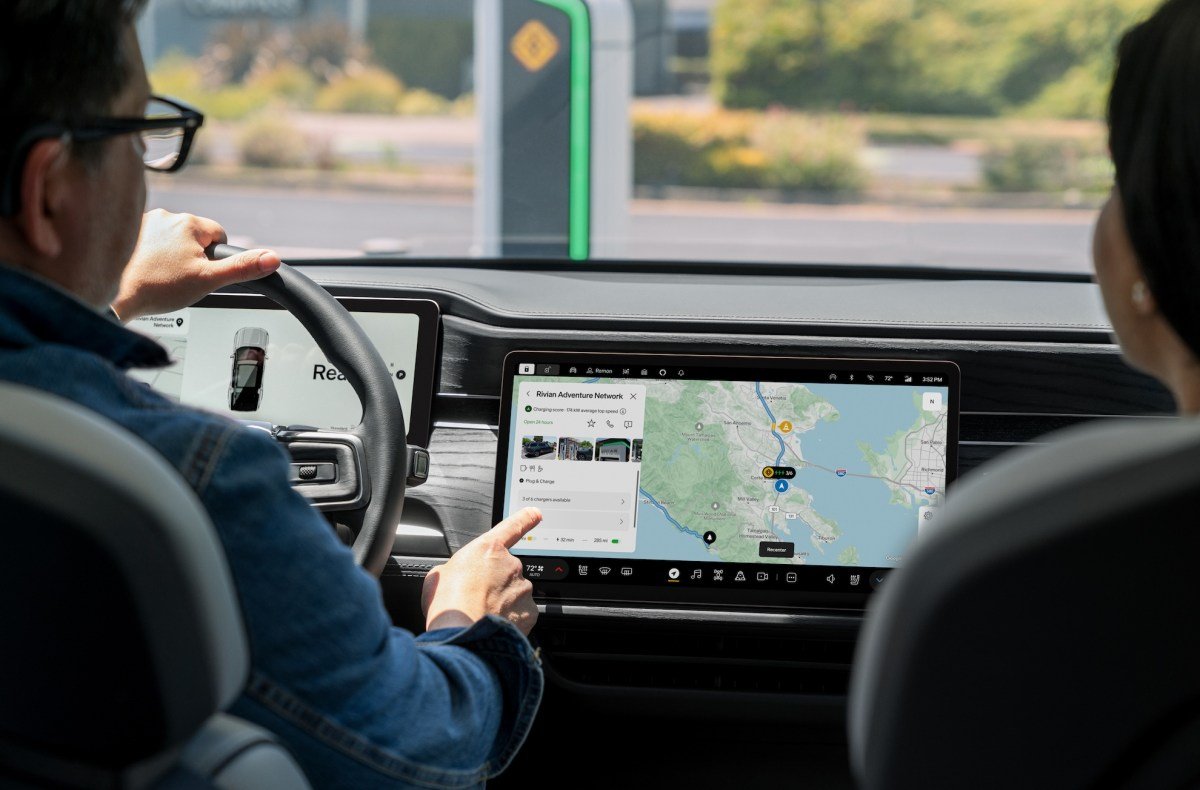
For the past 18 months, Rivian and Google engineers have been working together on a new project that is now Read more

Humans have found it hard to quit fossil fuels, which is why some argue that we’ll soon need to start Read more

Coal-fired power plants have made quite a mess over the past century. From climate change to health issues, they haven't Read more
A recent discrepancy in benchmark results for OpenAI’s o3 AI model has left people wondering about the company’s transparency and testing practices.
When OpenAI introduced o3 back in December, they boasted that the model could answer over a fourth of the questions on FrontierMath, a tough set of math problems. That impressive score left other models in the dust, with the next-best model managing only around 2% correct answers.
However, a recent independent benchmark by Epoch AI revealed that o3 actually scored around 10%, much lower than OpenAI’s initial claim. It seems the sky-high 25% achievement was likely with a beefed-up version of o3, not the one publicly launched.
**Unveiling the Truth**
Epoch pointed out that the difference in results could be due to various factors, such as differences in computing power or the subsets of FrontierMath used for testing. Additionally, ARC Prize Foundation highlighted that the public o3 model is tuned for chat and product use, not optimized for high-performance computing like the version they tested.
OpenAI’s Wenda Zhou clarified that the production version of o3 prioritizes real-world applications and speed over demo performance. Zhou assured that despite benchmark disparities, the model is more cost-efficient and user-friendly.
While the public release of o3 may not have met all testing promises, OpenAI has o3-mini-high and o4-mini models excelling on FrontierMath, with a more powerful o3-pro variant on the horizon.
**AI Benchmarks: Not Always What They Seem**
This whole saga serves as a reminder that AI benchmark results should be taken with a grain of salt, especially when the source is a company with commercial interests. Benchmarking controversies are increasingly common in the AI industry, with companies racing to showcase their latest models.
In the end, it’s crucial to approach AI benchmarks critically and with a healthy dose of skepticism. Who knows what surprises the next round of testing might bring?