
Bitcoin reached a new all-time high of $118,900 on Friday, surpassing its previous record of $113,822 set on Thursday. As Read more

Selling software to companies can be a daunting task, especially when it comes to meeting security requirements. Chas Ballew, founder Read more

Earlier this week, San Diego startup Gallant announced $18 million in funding to bring the first FDA-approved ready-to-use stem cell Read more
The world’s richest man buys out one of the most popular social media platforms and uses it as a propaganda Read more
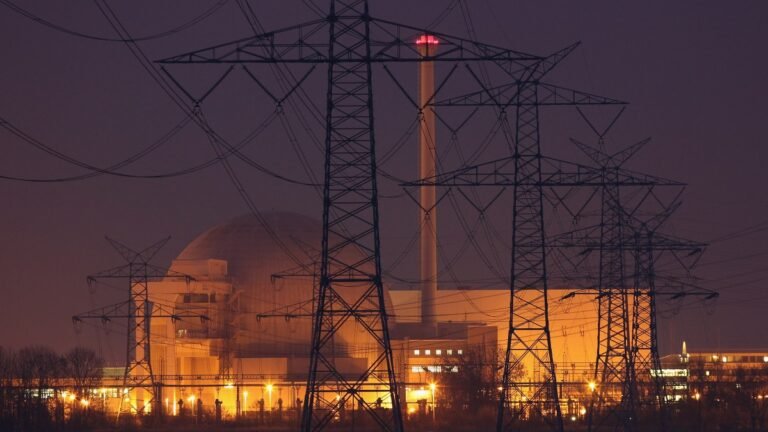
Amazon, Meta, and Microsoft are turning to nuclear power to meet the growing electricity demands of their data centers fueled by AI and cloud computing. However, recent regulatory rulings have thrown a wrench in their plans. While Microsoft moves forward with its project to revive a reactor at Three Mile Island, Amazon and Meta are facing obstacles in their quests for reliable power sources.
The challenges faced by Amazon and Meta highlight the complexities of building large data centers without securing sufficient electricity sources. Meta’s plan to build an AI data center next to a nuclear power plant was stalled by regulatory hurdles, including the discovery of a rare bee species on the land. Similarly, Amazon’s proposal to build a new data center near a nuclear power plant in Pennsylvania was rejected by the Federal Energy Regulatory Commission due to concerns about the impact on the region’s electricity grid.
As hyperscale data centers continue to expand, regulatory agencies like FERC will play a key role in ensuring the stability and sustainability of the power supply. With multiple co-location requests on the horizon, the debate over energy sources for data centers is far from over.