Billionaire Elon Musk's AI Startup xAI Launches $300 Million Share Sale Billionaire Elon Musk’s AI startup, xAI, is reportedly launching Read more
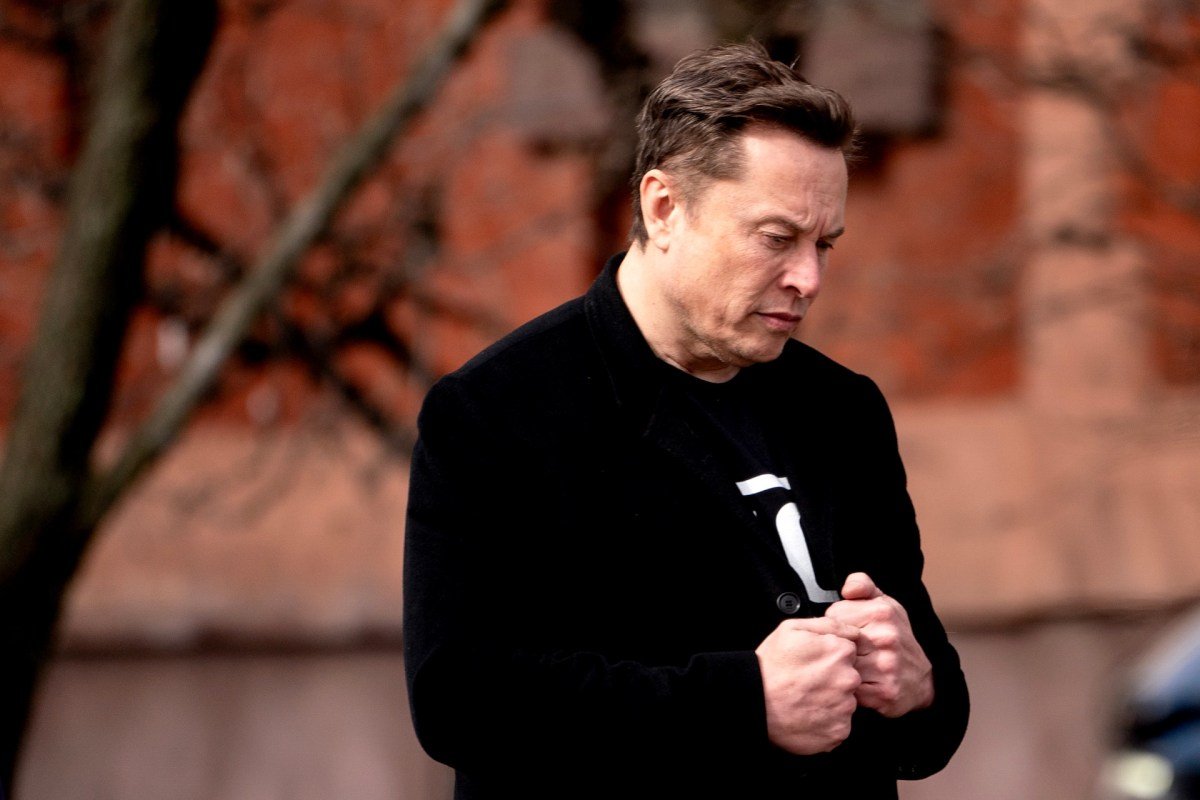
The head honcho at the United States Institute of Peace (USIP) is not too happy with Elon Musk's Department of Read more

Employer.com has acquired MainStreet.com for an undisclosed amount, the latest fintech startup to get snapped up by the workforce management Read more

Arizona lawmakers are currently discussing a bill that could provide protection for utilities against lawsuits related to wildfires, a potential Read more
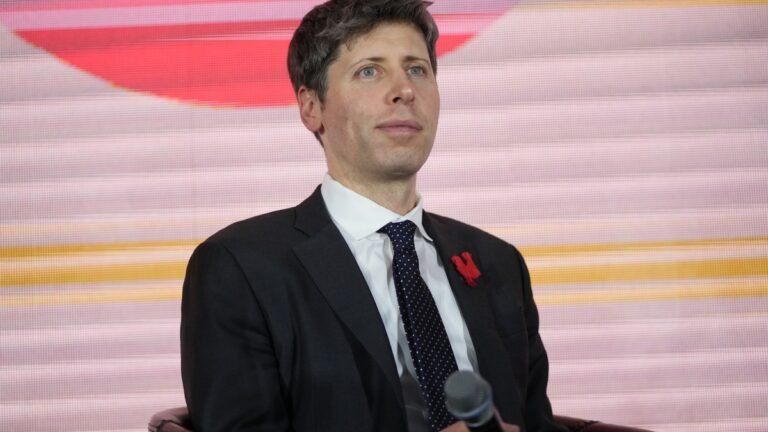
In “The Optimist: Sam Altman, OpenAI, and the Race to Invent the Future,” Wall Street Journal reporter Keach Hagey delves into our AI-obsessed era through the lens of Sam Altman, co-founder and CEO of OpenAI.
Altman’s Midwest roots, his journey through Loopt, Y Combinator, and OpenAI, and the tumultuous period when he was fired and quickly reinstated as CEO are all highlighted by Hagey. The failed attempt to remove Altman exposed the instability of OpenAI’s structure, raising concerns among investors.
Despite uncertainties about fundraising, Hagey believes Altman is up for the challenge but warns that success is not guaranteed. Moreover, the book explores Altman’s unexpected data center deals with the Trump administration, showcasing his skills as a dealmaker.
Altman’s response to the book, his trustworthiness, and the hype surrounding AI were discussed in an interview with TechCrunch. Hagey emphasizes the importance of examining individuals, like Altman, in the broader moral context of AI, as it shapes the future of technology and society.
One of the recurring questions in the book is about Altman’s trustworthiness. Some people have concerns about how trustworthy he is, given his background as a salesman. He has a talent for convincing people to share his vision, but there are also those who have lost trust in him over time due to discrepancies between his words and reality. This pattern has been observed at his previous startups and organizations like OpenAI and Y Combinator. However, it’s not necessarily that he is untrustworthy, but rather a characteristic of being a salesman leading important companies.
Altman’s firing, as covered in a book excerpt, highlighted the complexity within the company and the power dynamics at play. The incident revealed the instability of the nonprofit governance structure and how stakeholders, even without official rights, still hold power. The reinstatement of Altman showed how important stakeholders’ influence can be, even against written agreements.
Looking ahead, the recent announcement that OpenAI is not fully converting to a for-profit structure may pose challenges in raising funds. The new structure is slightly more investor-friendly but still has potential instability due to the nonprofit board controlling a for-profit company. This arrangement led to previous issues and could give investors pause in the future.
With OpenAI being a capital-intensive business, challenges in raising more money could pose existential threats. While Sam Altman may be up to the challenge, success is not guaranteed. The research into Altman’s story and beliefs about government funding and guiding AI research have influenced broader debates about AI and society. Altman’s vision for public-private partnerships in AI research aligns with historical models like Xerox PARC and Bell Labs, emphasizing the importance of government support in driving innovation.现在看这些更广泛的人工智能和社会辩论,我觉得开始的时候深入了解了山姆的故事后,我注意到美国正在召集国家资本主义的力量支持山姆·奥特曼建立这些数据中心的项目,既在美国,又在上周宣布在阿布扎比建立一个数据中心。这是他长期以来一直持有的愿景。
The evolving vision of government funding and regulating AI development is a fascinating topic. It seems that the focus is shifting towards increased government investment rather than regulations for safety purposes.
Sam Altman’s political views and his ability to navigate the Trump administration are intriguing. Despite having traditionally progressive politics, he has found common ground with the administration in areas like building data centers.
Sam’s upbringing, shaped by his father’s idealism and his mother’s ambition, plays a significant role in defining who he is today. His personal challenges growing up as a young gay man in the Midwest have also influenced his optimistic view of the world and faith in progress.
The contrasting visions of AI as either a transformative force or a potential doomsday scenario can be overwhelming. However, I see these extreme perspectives as part of the same hype surrounding AI’s potential impact on society.
As a journalist and biographer, I have become less skeptical of AI’s transformative power after witnessing its advancements and increased usage in recent years.