
A bunch of Canadian news outlets are in a tizzy, suing OpenAI for allegedly using their content without permission. The Read more
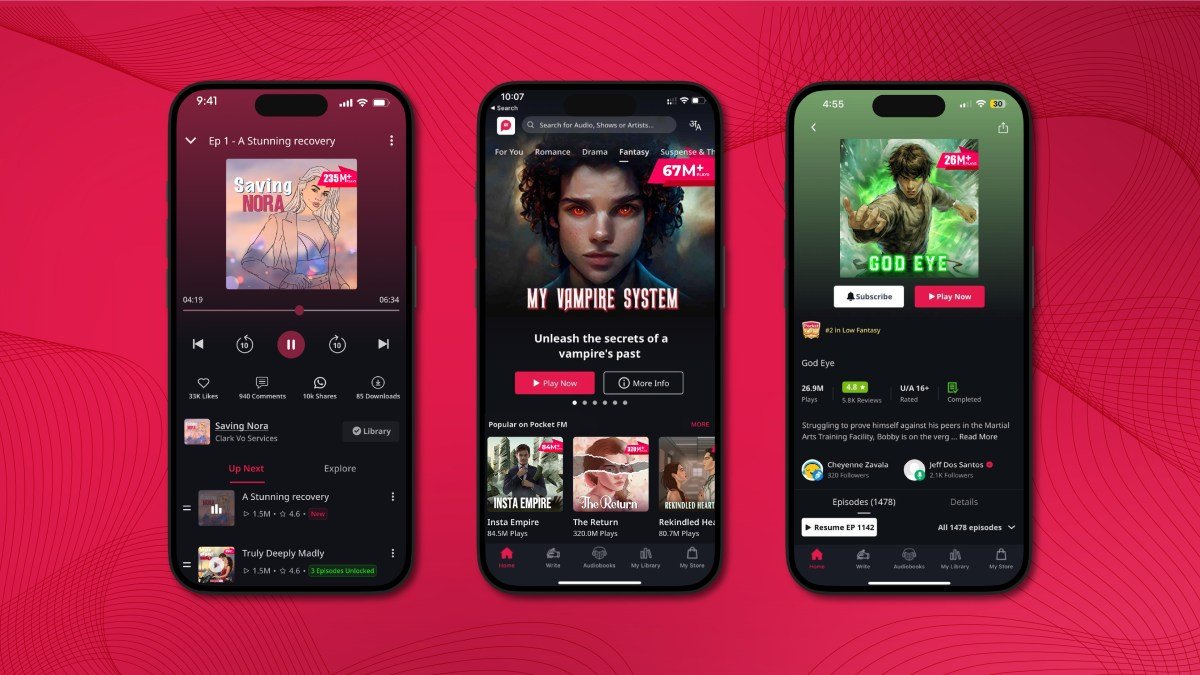
India-based audio platform Pocket FM has a vast content library. However, CEO Rohan Nayak believes there is room for expansion Read more

ChatGPT Search, OpenAI's AI-powered web search experience, has officially launched for all ChatGPT users, introducing several new features to enhance Read more

Humanz, a cutting-edge marketing platform for content creators and brands, has officially made its debut in the U.S. market, as Read more
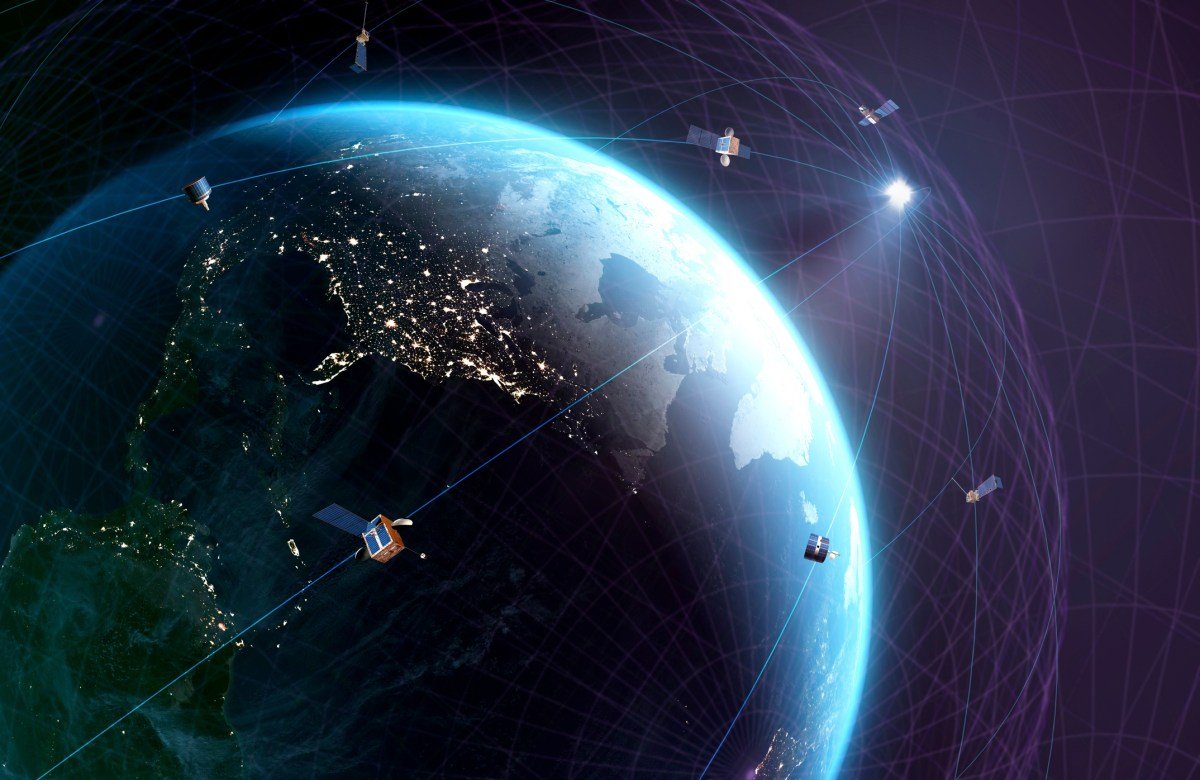
The Federal Communications Commission (FCC) has given the green light for SpaceX to proceed with offering a direct-to-phone version of its Starlink satellite internet service in partnership with T-Mobile. This collaboration comes with a few conditions, but it paves the way for enhanced connectivity in the U.S.
### Advancing Connectivity with Starlink and T-Mobile
SpaceX and T-Mobile first announced their plans for this direct-to-phone service back in 2022, with the expectation of launching it in 2023. However, regulatory approval has only been granted towards the end of 2024. Despite the delay, this partnership marks a milestone for Starlink in entering the U.S. market ahead of its competitors.
### Overcoming Engineering Challenges
While syncing a phone to a satellite “tower” presents engineering challenges, SpaceX and T-Mobile have made significant progress. The FCC acknowledges the benefits of this service, especially in improving access to emergency services in remote areas. Direct-to-phone connections were even allowed during natural disasters like Hurricanes Helene and Milton.
### Future Prospects and Collaboration
Moving forward, SpaceX and T-Mobile must ensure that their service operates seamlessly without interfering with other ground services. With Starlink satellites orbiting at altitudes up to 530 km, coordination with NASA will be necessary for deploying satellites below 400 km. Despite objections from competitors, Starlink’s commitment to universal access for emergencies remains a key focus.
In conclusion, the approval from the FCC signifies a step towards reliable and widespread connectivity through innovative partnerships. Keep an eye out for updates on when SpaceX and T-Mobile will launch this service and its associated costs.