
A bunch of Canadian news outlets are in a tizzy, suing OpenAI for allegedly using their content without permission. The Read more
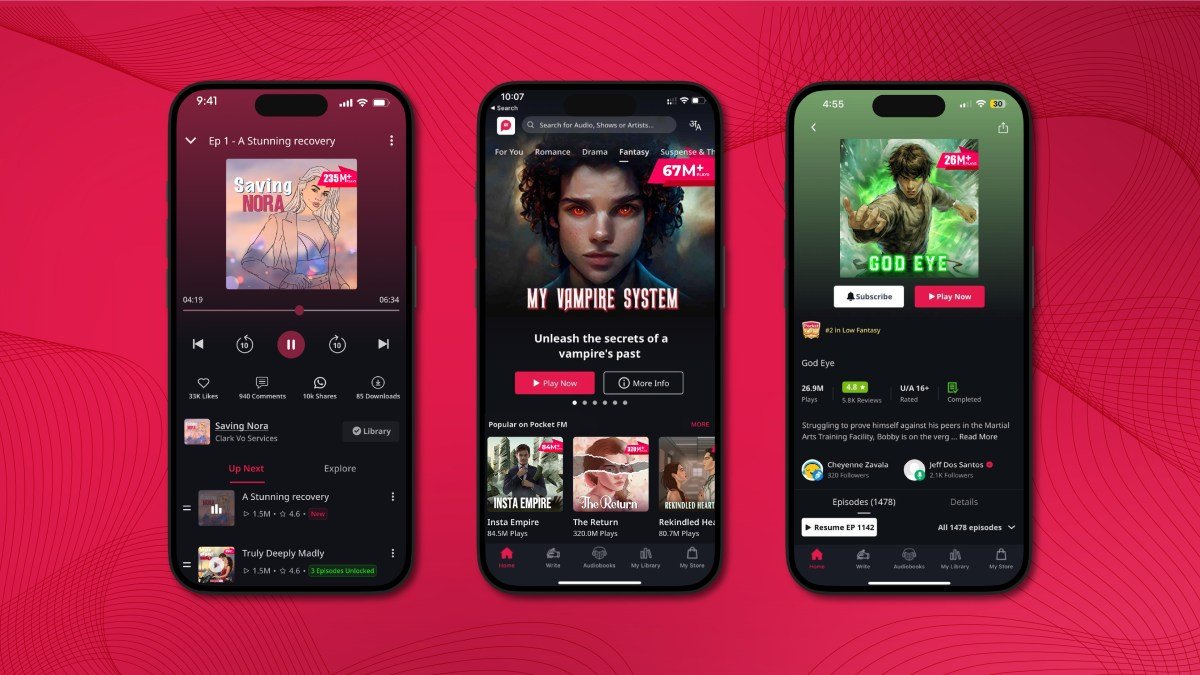
India-based audio platform Pocket FM has a vast content library. However, CEO Rohan Nayak believes there is room for expansion Read more

ChatGPT Search, OpenAI's AI-powered web search experience, has officially launched for all ChatGPT users, introducing several new features to enhance Read more

Humanz, a cutting-edge marketing platform for content creators and brands, has officially made its debut in the U.S. market, as Read more
When Max Cohen and Cameron Behar decided to launch a startup during the pandemic, they knew healthcare was the way to go. Even though they didn’t have a healthcare background (both worked at Google and Facebook), they saw the potential in the booming industry.
Sprinter Health’s Mission
Recognizing that not all patients can be treated remotely, Cohen and Behar created Sprinter Health to offer at-home preventive services like blood draws, diabetes eye checks, and colorectal cancer screenings. Their goal is to reach and engage patients who haven’t been utilizing the healthcare system.
The Growth and Funding
In just four years, Sprinter has expanded its operations to 18 states and increased its revenue six-fold. The startup recently secured a $55 million Series B funding round led by General Catalyst, bringing their total funding to $125 million.
Secret Sauce: Tech Logistics
Sprinter Health’s success lies in its tech logistics system, which optimizes routes and schedules for its clinical professionals, phlebotomists trained as medical assistants, and community health workers.
“We need to make sure that our employees are spending as much time as possible serving patients rather than driving,” Cohen said. With a route simulator that considers factors like traffic and weather, Sprinter’s clinical staff can see up to 12 patients per day.
Julie Yoo, a general partner at a16z and board member of Sprinter Health, compared the company’s business model to Instacart and DoorDash, emphasizing the importance of tight operating systems for sustainability.
Sprinter Health’s services are free for members of their health insurance partners, including Medicare and Medicaid.