Investors are showing strong interest in Swedish vibe-coding startup Lovable, with unsolicited offers valuing the company at over $4 billion, Read more
Meta-owned Instagram is once again taking inspiration from TikTok by introducing a new feature. This time, users can now play Read more
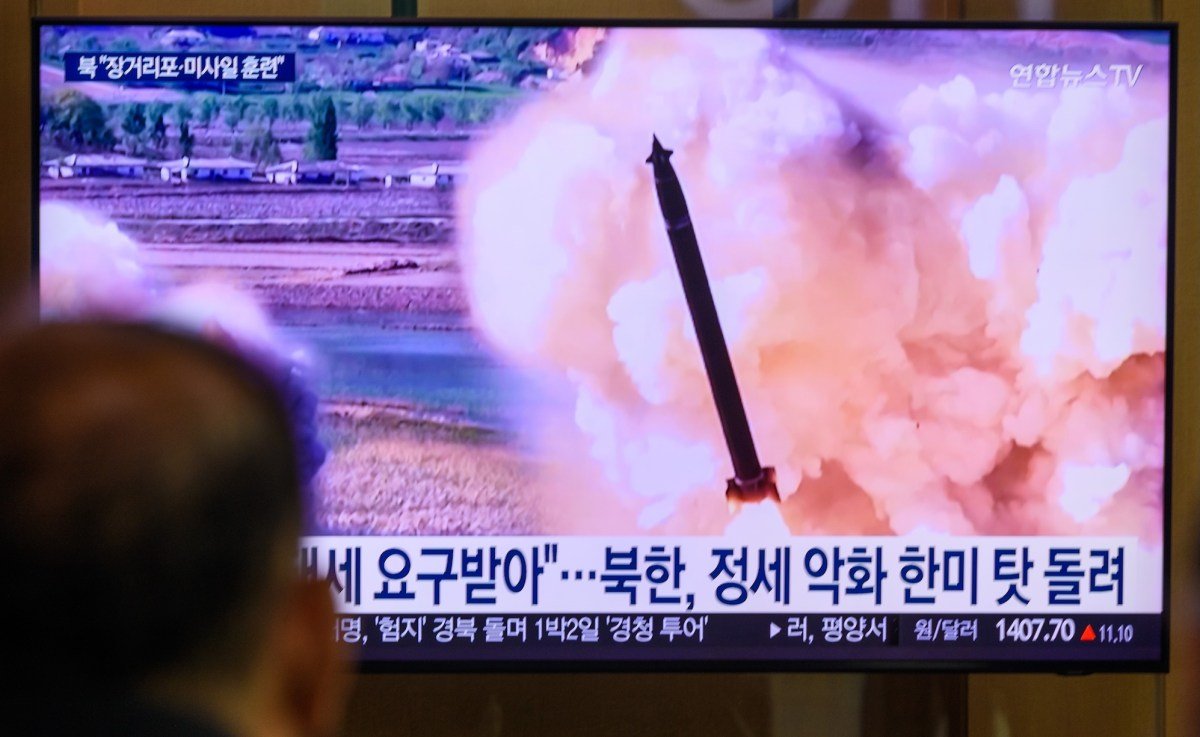
The U.S. Treasury has uncovered a sophisticated fraud network used by North Korea to target American companies with hackers disguised Read more
Since 2020, iPhone users have been dealing with problems integrating Google Assistant with Waze on iOS. The company has been Read more
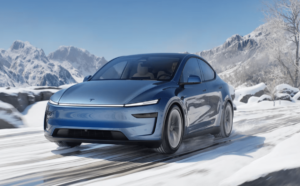
Tesla has requested a judge to dismiss the $243 million verdict against the company in a lawsuit related to its Autopilot system, or to allow a new trial to take place, as stated in a recent court filing.
The company’s legal team contends that the jury’s verdict, made earlier this month, goes against fundamental Florida tort law, the Due Process Clause, and common sense. This latest filing by Tesla’s lawyers seeks to shift all blame onto the driver George McGee, who was involved in the crash.
The jury assigned two-thirds of the blame to the driver and one-third to Tesla. The high-profile case revolved around a 2019 crash in Florida where McGee, driving a Tesla Model S at night and utilizing the Autopilot system, failed to brake as he approached a parked SUV, resulting in a fatal collision.
McGee settled separately with the victims, after Tesla declined a $60 million settlement offer from them. Tesla’s legal team argues in the new filing that product liability law should penalize manufacturers only when their products perform in ways beyond consumers’ expectations or are unreasonably dangerous, which they claim is not the case here.
The lawyers also criticize the opposing legal team for presenting irrelevant evidence during the trial, diverting attention from the actual circumstances of the accident. Brett Schreiber, a lead attorney for the plaintiffs, condemned Tesla and Musk for their negligence towards the human cost of their technology, emphasizing the shared responsibility in the accident but also highlighting Autopilot’s role in the crash.