
Investors are showing strong interest in Swedish vibe-coding startup Lovable, with unsolicited offers valuing the company at over $4 billion, Read more

Meta-owned Instagram is once again taking inspiration from TikTok by introducing a new feature. This time, users can now play Read more
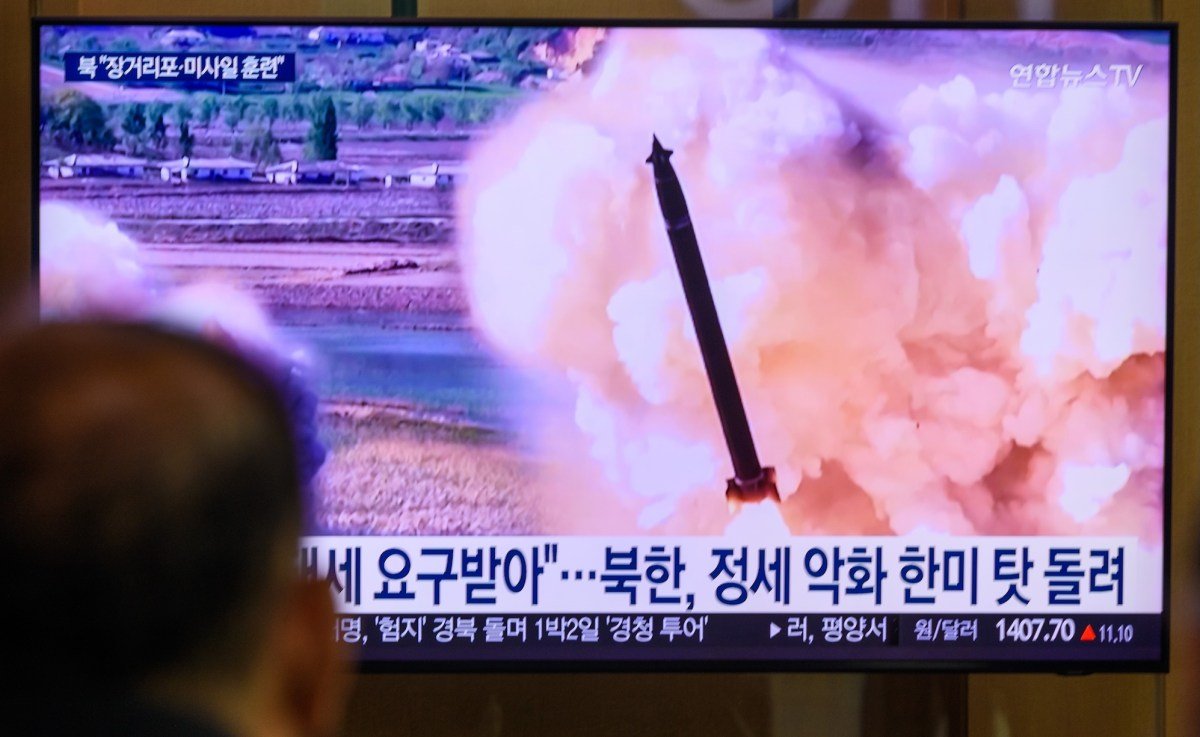
The U.S. Treasury has uncovered a sophisticated fraud network used by North Korea to target American companies with hackers disguised Read more

Since 2020, iPhone users have been dealing with problems integrating Google Assistant with Waze on iOS. The company has been Read more
The Trump Administration’s Control Over Intel’s Foundry Business Unit
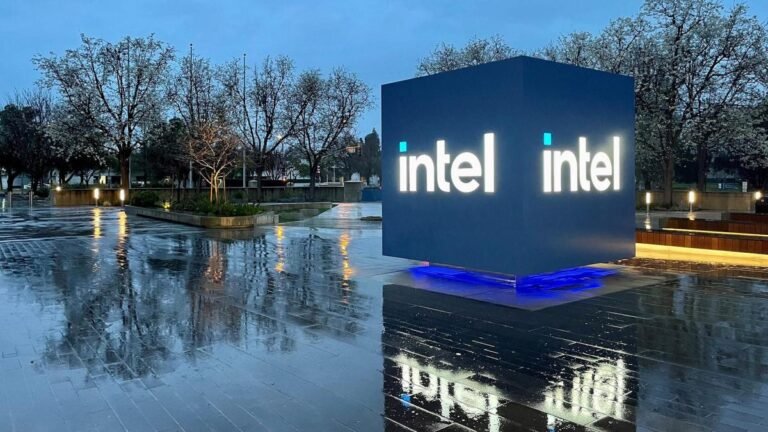
According to a report from the Financial Times, Intel’s CFO David Zinsner revealed new details about the company’s deal with the Trump administration at a recent Deutsche Bank conference. The deal involved giving the U.S. government a 10% equity stake in Intel, with penalties in place if the company were to spin out its foundry business unit in the near future.
The specifics of the deal included a five-year warrant that would allow the U.S. government to acquire an additional 5% of Intel at a set price if the company were to have less than 51% equity in its foundry business. Zinsner expressed his belief that this warrant would eventually expire, but the implications of the deal were clear – the government wanted Intel to retain control over its foundry business and not sell it off.
Tech and VC Heavyweights Join the Disrupt 2025 Agenda
Intel has remained tight-lipped about the details of the deal, with Zinsner’s comments being the only public statement from the company. The structure of the deal reflects the Trump administration’s push to increase chip manufacturing within the United States, especially as competitors turn to offshore manufacturing options like Taiwan Semiconductor Manufacturing Company.
However, the deal also means that Intel is obligated to keep a business unit that is currently operating at a loss. The Intel Foundry reported a significant operating income loss of $3.1 billion in the second quarter, leading to internal debates about the unit’s future. Calls have been made by analysts, board members, and investors to spin out the struggling foundry unit, but the latest deal with the Trump administration seems to have put those plans on hold for now.