
A bunch of Canadian news outlets are in a tizzy, suing OpenAI for allegedly using their content without permission. The Read more

India-based audio platform Pocket FM has a vast content library. However, CEO Rohan Nayak believes there is room for expansion Read more
ChatGPT Search, OpenAI's AI-powered web search experience, has officially launched for all ChatGPT users, introducing several new features to enhance Read more

Humanz, a cutting-edge marketing platform for content creators and brands, has officially made its debut in the U.S. market, as Read more
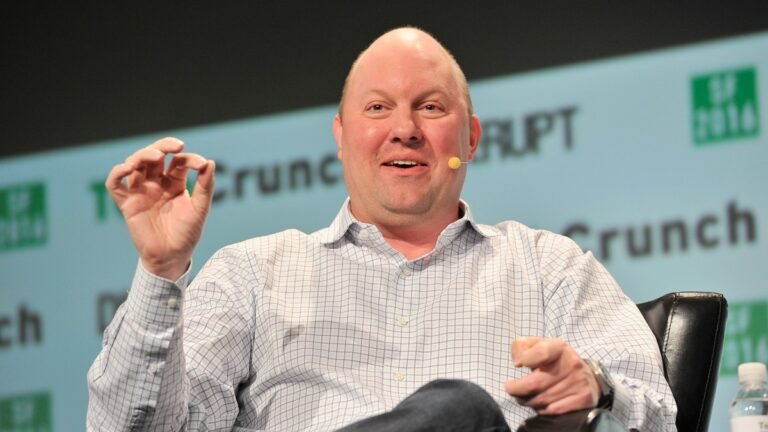
After a meeting with government officials regarding the future of technology, Marc Andreessen, a renowned investor, expressed feeling “very scared” and described the encounter as “absolutely horrifying.” These discussions were pivotal in his decision to support Trump, as he recounted to journalist Bari Weiss on her podcast.
Government Control and AI Concerns
What alarmed Andreessen the most was the government’s proposed involvement in AI, along with what he perceived as a radicalized and aggressive young staff whose policies could be detrimental to his interests and those of Silicon Valley. He left the meeting with the impression that the government aimed to control AI to the extent of influencing the market, favoring only a select few companies that complied with their regulations. Moreover, he claimed they discouraged investments in AI startups, explicitly advising against funding such ventures.
The Impact on Andreessen’s Investments
Given that Andreessen’s firm has supported AI startups like Elon Musk’s xAI, Mistral AI, and Character.AI, it’s understandable why he found the government’s stance alarming. Even before these meetings, in June 2023, Andreessen had published an AI manifesto titled “Why AI will save the world,” cautioning against excessive AI regulation, indicating his longstanding interest in the matter.
Government Actions and Industry Response
Despite Andreessen’s apprehensions, the Biden administration’s subsequent actions in October 2023 involved issuing an executive order that outlined voluntary commitments for AI companies, such as sharing safety test results with the government and urging Congress to oversee data collection practices by AI firms. While these measures received mixed reviews from Silicon Valley, Trump’s administration has signaled a more favorable stance towards AI startups.
Future Prospects and Optimism
Looking ahead, Trump’s recent appointment of investor VC David Sacks as his AI and crypto czar, coupled with significant donations from industry figures like Altman and Perplexity, suggests a positive outlook for AI startups under the new administration. Andreessen himself remains optimistic about Trump’s approach to technology, citing Trump’s encouragement for tech companies to innovate and excel in the American market.
In conclusion, Marc Andreessen’s concerns about government intervention in AI reflect broader tensions between industry stakeholders and policymakers, shaping the future landscape of AI development and regulation.