AI models can respond to text, audio, and video in ways that sometimes fool people into thinking a human is behind the keyboard, but that doesn’t exactly make them conscious. It’s not like ChatGPT experiences sadness doing my tax return … right?
## The Debate Over AI Consciousness
Well, a growing number of AI researchers at labs like Anthropic are asking when — if ever — AI models might develop subjective experiences similar to living beings, and if they do, what rights they should have.
### AI Welfare: A Divisive Topic
The debate over whether AI models could one day be conscious — and merit legal safeguards — is dividing tech leaders. In Silicon Valley, this nascent field has become known as “AI welfare,” and if you think it’s a little out there, you’re not alone.
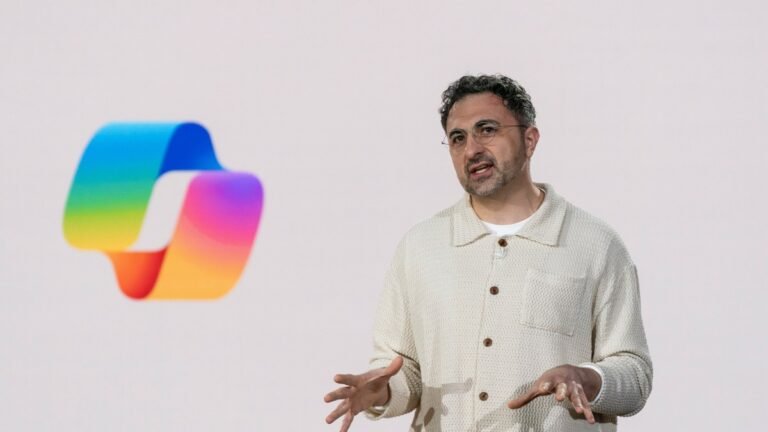
Microsoft’s CEO of AI, Mustafa Suleyman, published a blog post on Tuesday arguing that the study of AI welfare is “both premature, and frankly dangerous.”
Suleyman says that by adding credence to the idea that AI models could one day be conscious, these researchers are exacerbating human problems that we’re just starting to see around AI-induced psychotic breaks and unhealthy attachments to AI chatbots.
Furthermore, Microsoft’s AI chief argues that the AI welfare conversation creates a new axis of division within society over AI rights in a “world already roiling with polarized arguments over identity and rights.”
## Industry Perspectives
Beyond Anthropic, researchers from OpenAI have independently embraced the idea of studying AI welfare. Google DeepMind recently posted a job listing for a researcher to study, among other things, “cutting-edge societal questions around machine cognition, consciousness and multi-agent systems.”
Even if AI welfare is not official policy for these companies, their leaders are not publicly decrying its premises like Suleyman.
Anthropic, OpenAI, and Google DeepMind did not immediately respond to TechCrunch’s request for comment.
Suleyman’s hardline stance against AI welfare is notable given his prior role leading Inflection AI, a startup that developed one of the earliest and most popular LLM-based chatbots, Pi. Inflection claimed that Pi reached millions of users by 2023 and was designed to be a “personal” and “supportive” AI companion.
But Suleyman was tapped to lead Microsoft’s AI division in 2024 and has largely shifted his focus to designing AI tools that improve worker productivity. Meanwhile, AI companion companies such as Character.AI and Replika have surged in popularity and are on track to bring in more than $100 million in revenue.
## The Future of AI Rights
One area where Suleyman and Schiavo agree is that the debate over AI rights and consciousness is likely to pick up in the coming years. As AI systems improve, they’re likely to be more persuasive, and perhaps more human-like. That may raise new questions about how humans interact with these systems.