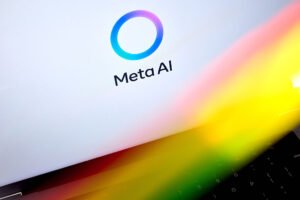
Meta released its new Muse Spark AI model on Wednesday as part of a significant restructuring of its artificial intelligence division, but the update highlights a persistent privacy issue where the Meta AI app sends automated Instagram notifications to a user’s contact list. This social alert system informs friends, family, and acquaintances when a person installs or uses the standalone AI application, a feature that has caused social friction since the app’s initial launch last April.
Meta Launches Muse Spark Amid High-Stakes AI Pivot
The introduction of the Muse Spark model represents a critical moment for Meta. After investing billions of dollars into the metaverse with mixed results, the company is now prioritizing generative AI to maintain its market position. While Meta possesses the capital to absorb experimental losses, the success of its AI ecosystem is vital for its long-term corporate reputation.
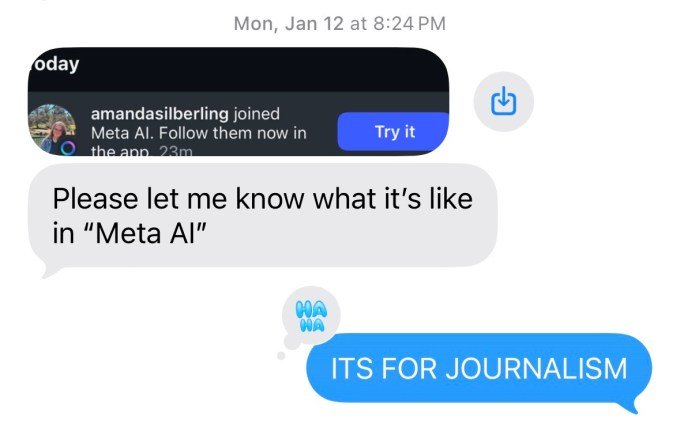
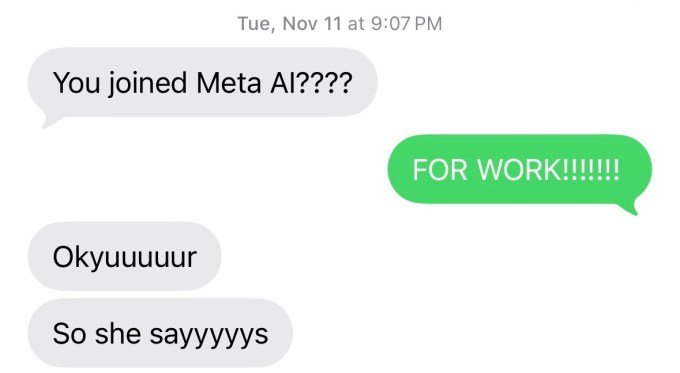
Despite the new model, the underlying social mechanics of the Meta AI app remain controversial. Users have reported receiving messages from contacts who were alerted by Instagram about their activity on the AI platform. This notification system appears designed to drive growth through social proof, though many users find the lack of anonymity regarding their app choices problematic.
Market Performance and User Adoption
In its first six weeks on the App Store, the Meta AI app garnered approximately 6.5 million downloads, according to data from Appfigures. While substantial, this figure is modest for a company that serves roughly 42% of the global population daily across its various platforms.
Recent Surge in App Store Rankings
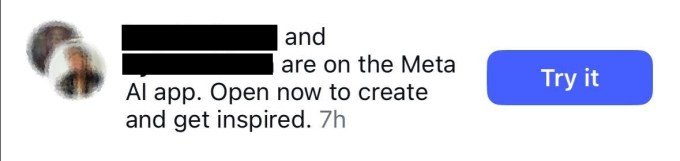
The revamped chatbot has recently seen a significant spike in interest. The application climbed from No. 57 to No. 5 on the U.S. App Store charts. This growth increases the likelihood of users inadvertently triggering notifications to their Instagram mutuals, as the app is displayed as prominently as a new follower notification.
Data Interconnectivity and Privacy Implications
The Meta AI app requires a Meta account for access, typically linking the user’s history from Instagram and Facebook. This interconnection allows Meta to utilize AI interactions for targeted advertising. For instance, personal health inquiries made to the chatbot can influence the types of advertisements a user sees across other Meta-owned platforms.
The app does not explicitly ask for permission to notify contacts about a user’s activity. This functionality is likely covered under broad Terms of Service agreements. This level of transparency mirrors other Meta features, such as the ability for users to see which Reels their contacts have liked, contributing to an environment where personal digital habits are increasingly visible to social circles.
The Evolution of the Discover Feed and Shared Logs
Earlier versions of the Meta AI app included a “Discover” feed, which showcased how some users interacted with the chatbot. However, this led to privacy disasters when users—unaware of the public nature of the feed—shared intimate details. Reports surfaced of users discussing medical issues, marital problems, and even sharing home addresses.
Design Flaws and Public Conversations
Industry observers, including a16z partner Justine Moore, noted that the feed was often populated by users who did not realize their conversations were visible to the world. While users had to manually publish these chats, the interface design led to frequent accidental shares. Meta has since removed the Discover feed to address these concerns.
While Meta continues to refine the AI experience, the current integration with Instagram’s notification system remains a primary point of concern for privacy-conscious users. The app still features a “Vibes” feed, suggesting that Meta’s goal remains centered on social interaction rather than purely private utility.