New Mexico secured a landmark courtroom victory against Meta this month after a jury determined the company failed to protect minors, marking the first time the social media giant has lost a trial over child safety allegations. The verdict establishes a significant legal precedent as Meta faces a wave of similar litigation across the United States regarding the impact of Instagram and Facebook on young users.
Internal Safety Concerns and Executive Testimony
“The product is very good at connecting people with interests,” stated Béjar during the proceedings. “And if your interest is little girls, it will be really good at connecting you with little girls.”
Brian Boland, a former vice president of partnerships product marketing at Meta with nearly 12 years at the company, provided critical testimony. Boland testified that by the time of his departure in 2020, he concluded that safety was not a priority for CEO Mark Zuckerberg or then-COO Sheryl Sandberg.
Zuckerberg’s Deposition on Platform Addiction
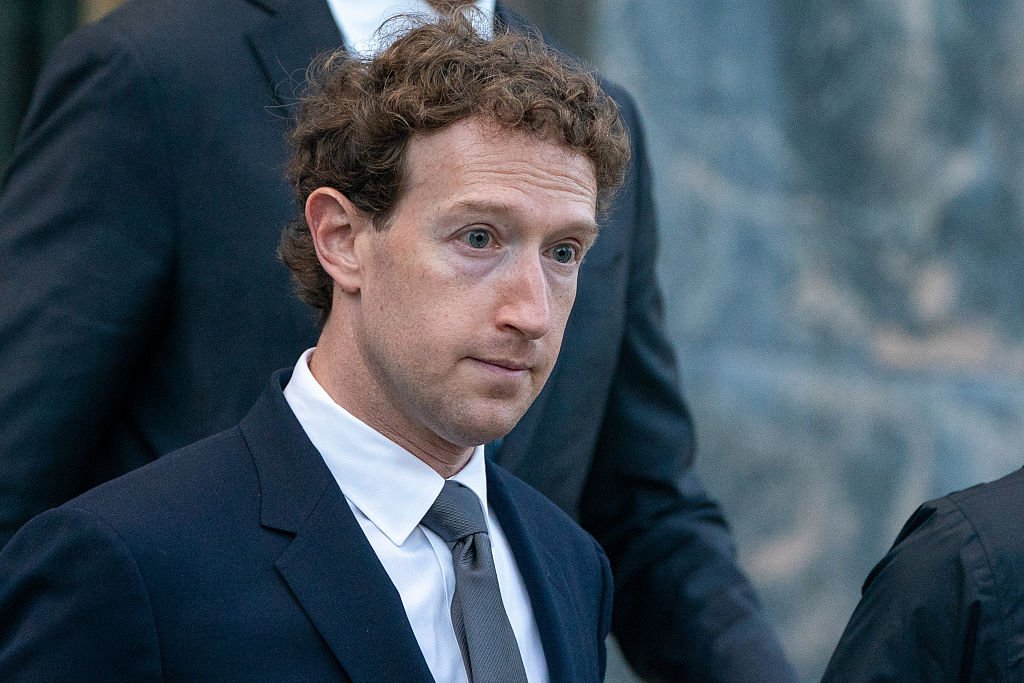
Mark Zuckerberg was deposed as part of the case, with a recording from a year ago presented to the jury. In his testimony, Zuckerberg characterized research into whether Meta’s platforms are addictive as “inconclusive.”
State prosecutors challenged this claim, citing Meta’s own internal research which found that specific product features were engineered to trigger dopamine responses and maximize time spent on the applications. When questioned if parents have a right to know if a product is addictive, Zuckerberg stated there was a lot to “unpack in that,” noting that he and his wife personally oversee their own children’s technology use.
Meta’s Response and Expanding Legal Liabilities
Meta confirmed plans to appeal the New Mexico verdict. A company spokesperson stated that they respectfully disagree with the decision, maintaining that the organization works hard to keep people safe on its platforms.
The Los Angeles Addiction Trial
The New Mexico defeat is not Meta’s only active legal challenge. Meta and YouTube are currently involved in a trial in Los Angeles involving claims that their platforms caused harm to young users through addictive design. That case was brought by K.G.M., a 20-year-old woman alleging she suffered from anxiety, depression, and body-image issues due to social media addiction during her childhood.
On Monday, the judge in the Los Angeles case instructed jurors to keep deliberating after the panel reported difficulties reaching a verdict on one of the defendants. This development raises the potential for a partial retrial. TikTok and Snap were also defendants in this matter but reached settlements before the trial commenced.
Future Penalties and Platform Mandates
A second phase of the New Mexico case is scheduled to begin on May 4. This will be a bench trial focused on public nuisance claims, which could lead to further financial penalties and court-ordered structural changes to Meta’s platforms.
Potential mandates include stricter age verification requirements and enhanced protections for minors. Rather than focusing on specific consumer protection statutes, the state argues that Meta’s platforms have broadly compromised the health and safety of New Mexico residents.