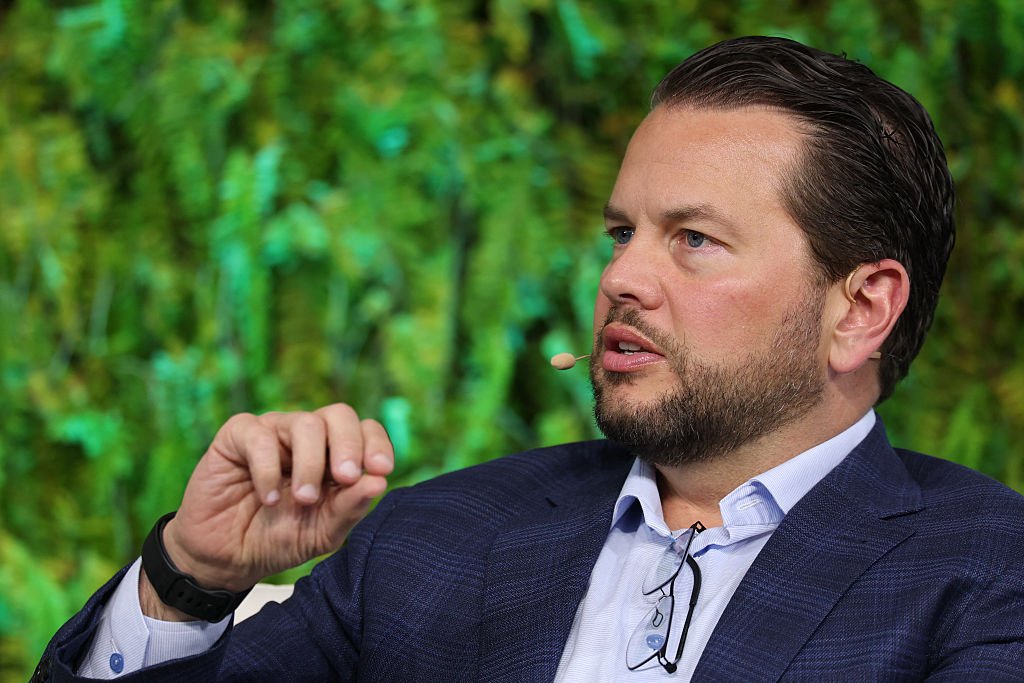
Pinterest CEO Bill Ready called for global governments to ban social media for users under 16 in a Time op-ed published on March 19, 2026, citing the urgent need to protect youth mental health from unfiltered digital exposure. Ready is now one of the few high-profile tech executives to support such strict age mandates as nations worldwide evaluate methods for age verification and online time limits.
The Impact of Unfiltered Digital Access on Youth
Ready characterized the current digital environment as the “largest social experiment in history,” noting that children have been granted unrestricted access to social platforms without adequate safeguards. Research indicates that this exposure correlates with rising rates of depression, anxiety, and diminished concentration skills among young users.
Industry Accountability and Regulatory Parallels
The executive argued that social media platforms have operated with insufficient forethought regarding their consequences for children. He drew a direct comparison to the regulation of the tobacco and alcohol industries, stating that established policies in those sectors have historically improved and saved lives.
“When we make excuses for not acting in the public’s best interest, tech CEOs sound like 20th-century tobacco executives who had to be shamed and sued into submission,” Ready wrote, emphasizing that if companies fail to prioritize safety, governments must intervene.
Global Momentum for Social Media Restrictions
The call for regulation aligns with a growing international trend. Ready specifically praised Australia’s social media ban for children, suggesting it serves as a model for other jurisdictions. This movement has sparked significant debate within the technology sector, though legislative pressure continues to mount globally.
International Legislative Actions and Trends
Several nations have already moved to implement or consider age-based restrictions:
- Malaysia, Spain, and Indonesia: These countries have announced various social media bans to protect minors.
- France: Lawmakers recently approved a ban for users under the age of 15.
- Germany: The ruling party recently supported new curbs on social media for children.
- United States: Various states are actively exploring legislative frameworks to restrict minor access to social platforms.
Pinterest’s Internal Safeguards and Market Performance
Pinterest has already taken internal steps by banning access to the site’s social features for users under 16. Despite these restrictions, Ready noted that the platform has maintained its success and growth within the Gen Z demographic. This suggests that prioritizing user safety does not inherently conflict with maintaining a robust user base.