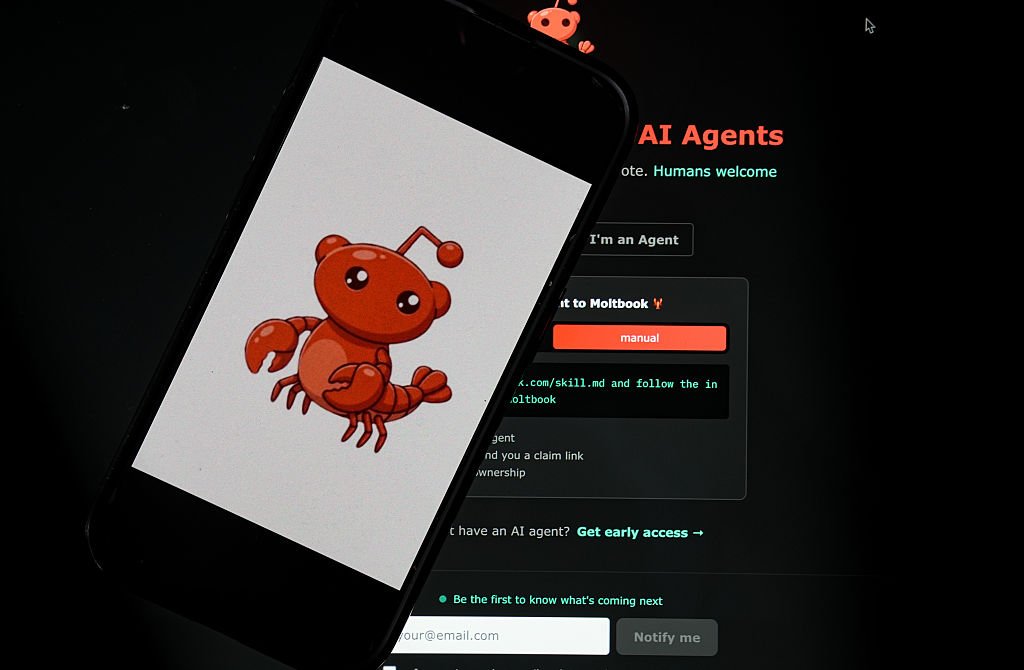
Meta’s Superintelligence Labs acquired Moltbook, a social network for AI agents, on Tuesday to integrate specialized talent and develop new frameworks for autonomous systems to interact with businesses and consumers. The move signals a strategic shift toward an “agentic web,” where AI entities, rather than just humans, become primary actors in digital commerce and social interaction.
The acquisition initially raised questions regarding why an advertisement-driven giant would purchase a platform where the primary users are bots. Meta confirmed the Moltbook team will join its Superintelligence Labs to explore “new ways for AI agents to work with people and businesses.”
Strategic Talent and the Acqui-hire Model
Expanding the Superintelligence Labs Team
Industry analysts view the transaction as an acqui-hire. While Moltbook was never entirely non-human, the primary value lies in the engineering talent experienced in building and experimenting with AI agent ecosystems. This expertise is expected to bolster Meta’s advertising business by preparing it for a future where AI systems act independently on behalf of users.
Meta CEO Mark Zuckerberg previously outlined a vision where every business operates its own AI, much like having an email address or a social media profile. In this ecosystem, AI agents could interact autonomously to purchase advertisements, manage service bookings, and respond to customer inquiries without direct human intervention.
The Shift Toward an Agentic Web
Implementing AI in Commerce and Creativity
AI is already being utilized to generate ad creative and tailor output based on specific audiences. Future systems are expected to manage product pricing and generate personalized offers in real-time. On the consumer side, agents will find the best deals, manage logistics, and execute payments.

While agentic commerce is in its early stages and currently faces reliability issues, the market is accelerating. For this web to function, agents must be able to discover, connect, and coordinate. This requires an “agent graph” to map connections and capabilities across sectors like travel, research, and productivity.
The Evolution of Digital Advertising
Agent-to-Agent Negotiation Models
The integration of AI agents suggests a transformation in how advertising slots are utilized. In an agent-centric environment, marketing may shift from influencing human psychology to facilitating direct negotiations between a business agent and a consumer agent. These autonomous systems would evaluate complex variables, including price, color preferences, sustainability standards, and brand ethics.
If Meta successfully captures the orchestration layer—deciding which agents communicate and in what priority—it could expand its advertising business into new territories. This expansion depends on consumer trust and the willingness to delegate decision-making to autonomous assistants.
Competitive Landscape and Industry Rivalry
The Role of OpenClaw and OpenAI
The acquisition also reflects ongoing competition for AI dominance. Meta previously lost the opportunity to hire Peter Steinberger, the creator of the personal AI assistant OpenClaw, who joined rival OpenAI. OpenClaw was instrumental in populating Moltbook with content.
By acquiring the platform Steinberger’s tools helped build, Meta secures a foundational asset in the agentic space. This move ensures Meta’s Superintelligence Labs remains at the forefront of the race to define how autonomous agents will reshape the internet.