Meta faces a lawsuit filed this Thursday following allegations that its Ray-Ban AI smart glasses allowed contractors to review intimate user recordings, including nudity and sexual activity, despite marketing campaigns promising absolute privacy control. The legal action contends that the tech giant’s data handling practices directly contradict its public-facing security assurances.
Deceptive Marketing and Data Control Allegations
The core of the complaint centers on how Meta marketed the wearable technology to consumers. Legal documents highlight various advertisements that promoted the device’s privacy benefits, specifically describing “added layers of security” and user autonomy over personal information.
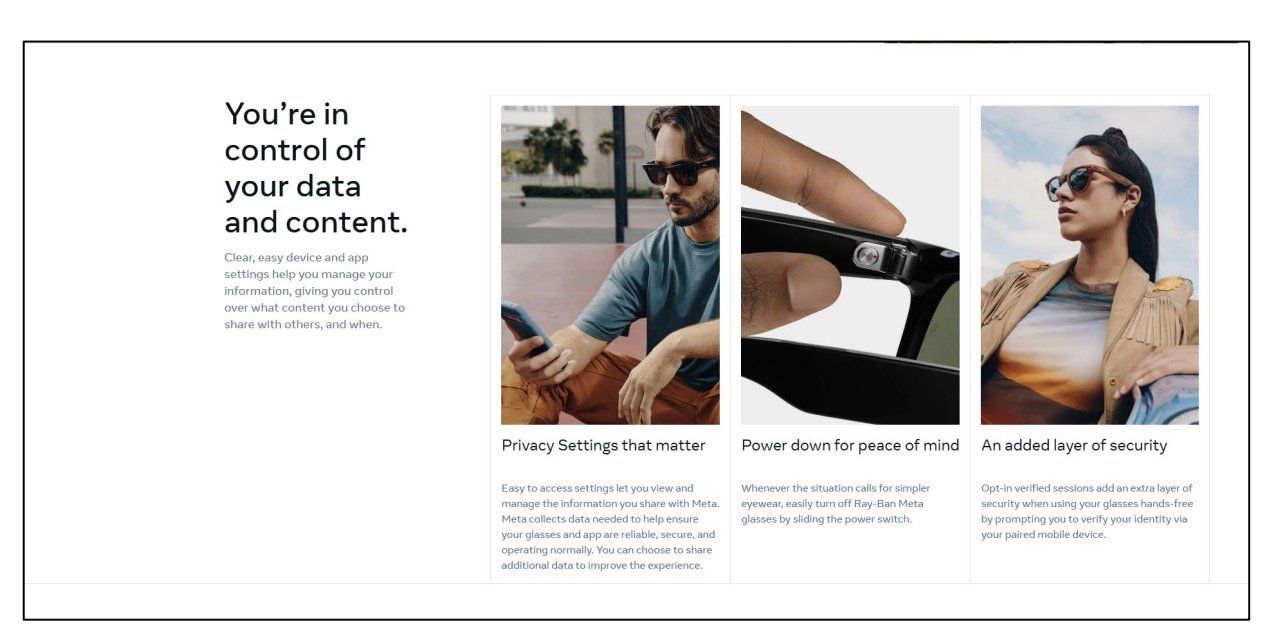
One specific advertisement cited in the lawsuit stated, “You’re in control of your data and content,” explicitly claiming that smart glasses owners maintained the power to choose which content was shared with external parties. The plaintiffs argue that this narrative misled users into a false sense of digital security.
Meta’s Response and AI Training Procedures
While Meta declined to comment on the specific details of the ongoing litigation, spokesperson Christopher Sgro issued a statement regarding the product’s operational framework. Sgro clarified that Ray-Ban Meta glasses utilize AI to assist users hands-free and that media remains stored locally on the device unless a user chooses to share it with Meta or other platforms.
However, the company acknowledged that when content is shared with Meta AI, contractors are sometimes employed to review the data. According to Sgro, this process is intended to improve the user experience, a practice he noted is common across the tech industry. Meta maintains that it implements filtering protocols to protect privacy and prevent the review of identifying information.
The Rise of Luxury Surveillance Backlash
The lawsuit arrives amid a broader societal and technical backlash against “luxury surveillance” devices. This category includes AI-powered wearables and always-listening pendants that continuously monitor their environment. The proliferation of these tools has led to the development of counter-technologies, including a recent application designed to detect the presence of smart glasses in the immediate vicinity of a user.
This legal challenge underscores the tension between AI development and consumer privacy rights, as tech firms increasingly rely on human-verified data to refine their machine learning models.