The Apple Women’s Health Study released new data today regarding the relationship between menstrual cycles, Polycystic Ovarian Syndrome (PCOS), and heart health. Conducted by the Harvard T.H. Chan School of Public Health, the National Institute of Environmental Health Sciences, and Apple, the research utilizes longitudinal data to bridge significant gaps in clinical understanding of reproductive health.
Bridging the Menstrual Health Research Gap
Researchers aim to provide deeper insights into how menstrual patterns serve as a vital sign for overall physiological status. By analyzing demographics and lifestyle factors contributed by participants, the study examines how these variables influence period regularity and long-term disease risk.
Groundbreaking Data Collection
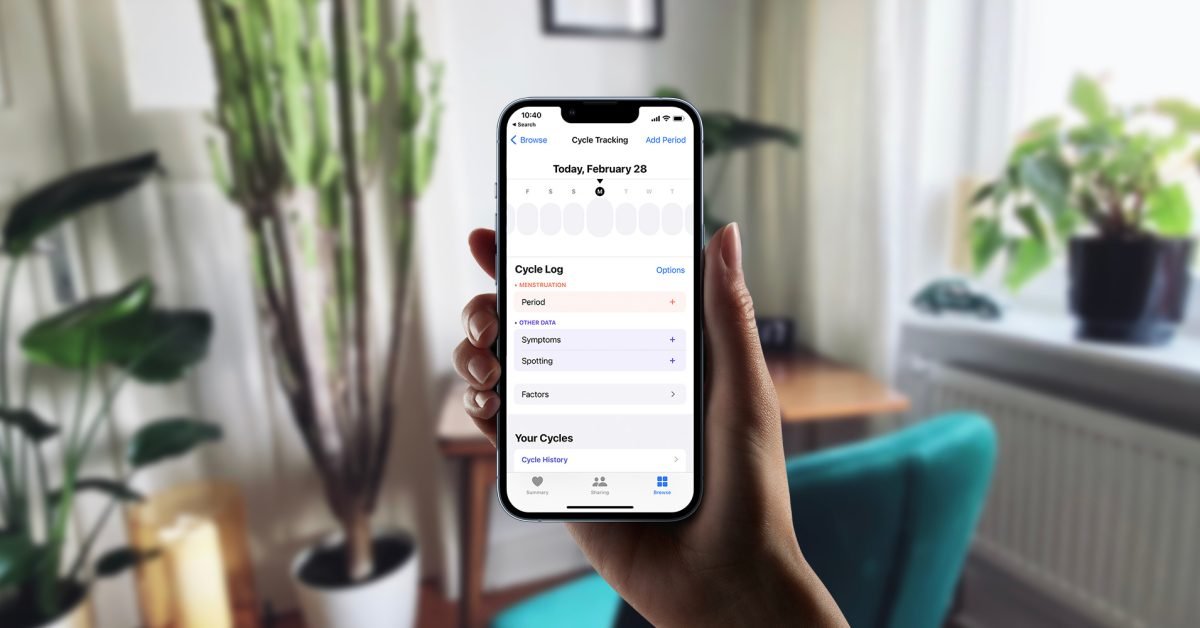
The study leverages the Cycle Tracking feature within the Health app on iPhone and Apple Watch to gather real-world evidence. This methodology allows for a scale of data collection previously unattainable in traditional clinical settings.
Shruthi Mahalingaiah, MD, MS, FACOG, Co-principal investigator on the study, emphasizes the necessity of this research: “Despite the association between PCOS and heart-related conditions, historically, research studies about heart health have not included information about menstrual cycles. More broadly speaking, menstrual health is also significantly under-represented in the research space.”
According to Mahalingaiah, the study is “filling a research gap by diving deeper into understanding how periods and menstrual cycles can be a window into overall health.” She notes that the research is critical for identifying PCOS in individuals who may remain undiagnosed.
Over 4,000 Participants Live with PCOS
Of the more than 37,000 survey participants, 12% reported a formal PCOS diagnosis. The findings suggest that consistent tracking of periods and symptoms provides clinicians with the data necessary to make accurate diagnoses and implement preventative health measures.
Clinical Management and Lifestyle Interventions
The research underscores that PCOS and associated heart conditions are manageable through specific interventions. Health care providers often recommend lifestyle adjustments to promote regularity and cardiovascular wellness.
“Health care providers may recommend lifestyle changes to promote menstrual regularity and improve your heart health, including changing your exercise routine, eating more nutritious food, getting better sleep, staying hydrated, and taking care of your mental health,” states Shruthi Mahalingaiah, MD, MS, FACOG, Assistant Professor of Environmental, Reproductive, and Women’s Health at the Harvard T.H. Chan School of Public Health.
Mahalingaiah adds that these insights reinforce the importance of prevention: “By increasing access to PCOS clinics and encouraging lifestyle interventions at the primary care level, health care providers will be able to provide better quality care to people with PCOS across the lifespan.”
Cycle Tracking and Global Accessibility
Apple has integrated these health tools globally, allowing users to monitor their cycles directly from their devices. Detailed instructions on how to track cycles using the Health app on iPhone are available in a technical video here. The functionality is also fully supported on Apple Watch.
For those seeking the complete dataset and further analysis, the full study can be accessed here.