As cyber threats evolve, criminals are increasingly focusing on stealing sensitive data instead of just targeting devices. By acquiring passwords, financial information, and other private details, they can gain access to personal and financial assets, leading to significant risks such as identity theft and financial fraud.
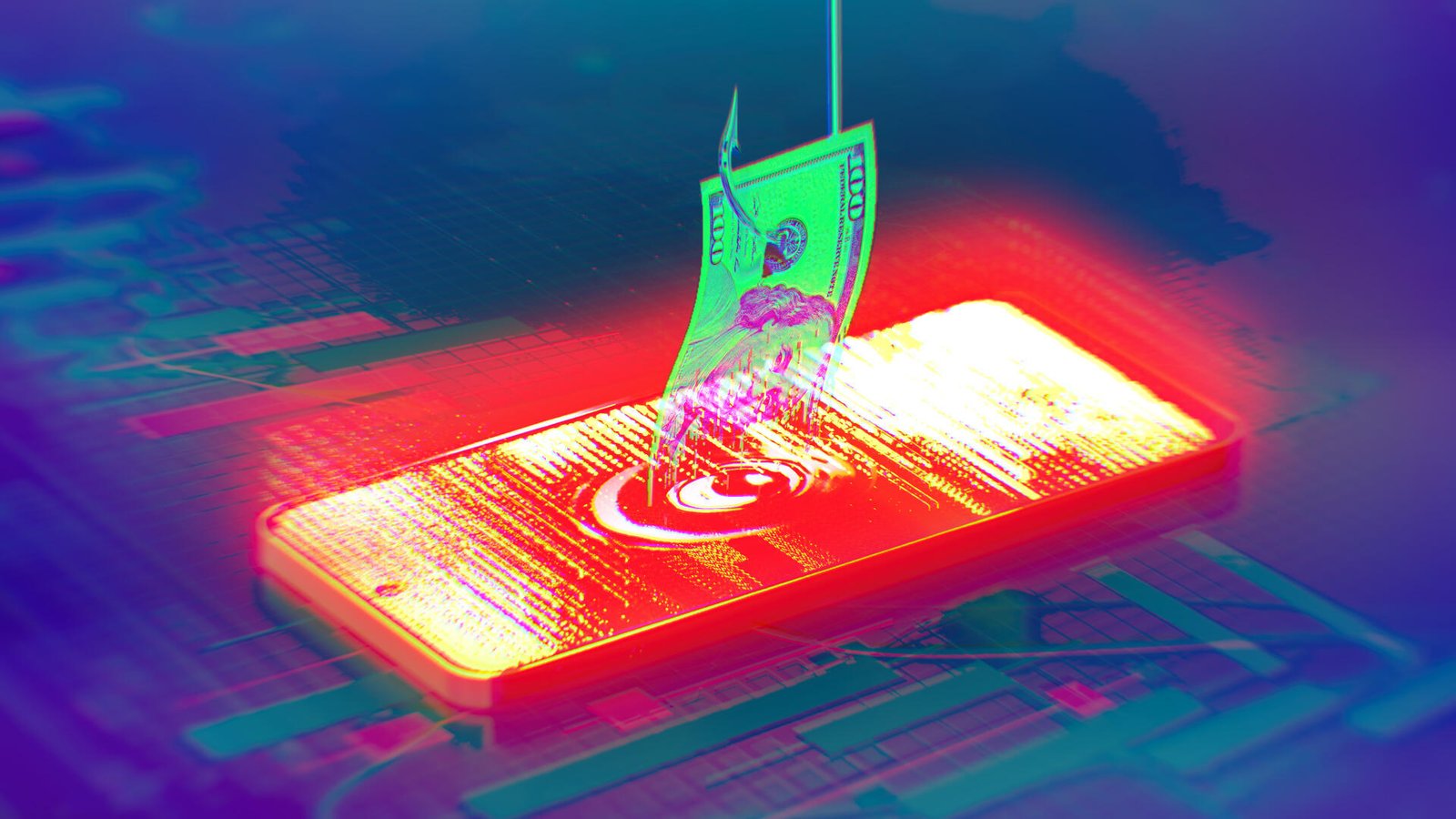
This shift in tactics has brought phishing to the forefront—a social engineering method designed to deceive individuals into disclosing personal information. Attackers may use various tactics, including texts, emails, fake websites, and malicious applications, to lure unsuspecting victims. Essentially, it’s a fishing expedition where deceptive communications serve as bait. The rise of prepackaged phishing templates has made these schemes more accessible for criminals.
Targeting Data: A New Approach for Cybercriminals

Phishing attempts often impersonate trusted sources, such as banks, employers, or even friends. These scams can arrive through various mediums, including emails, text messages, and fake websites. Clicking on a malicious link or providing personal information can lead to stolen accounts and financial losses.
While phishing is not a new concept, its execution has advanced significantly. The emergence of a business model known as phishing-as-a-service (PhaaS) has simplified the process for scammers, allowing them to conduct more effective phishing campaigns with minimal technical expertise.
Phishing-as-a-Service: Making Scams Easier for Criminals

PhaaS allows cybercriminals to purchase ready-made phishing tools instead of creating scams from scratch. These kits typically contain:
- Fake login pages mimicking legitimate websites
- Email templates that appear authentic
- Hosting services for phishing pages
- Target lists for potential victims
- Setup instructions and guides
- Customer support from providers
This accessibility has lowered the bar for entry, enabling individuals with limited technical skills to execute phishing schemes that previously required significant expertise. Research indicates that this shift is facilitating increasingly sophisticated attacks from less experienced criminals.
Christopher Michaelis, founder and CTO of Strategic Code, reflected on the implications of PhaaS: “The biggest change with phishing-as-a-service is the scale. It’s far more likely that an ordinary person becomes the target. People sometimes assume these attacks are only aimed at CEOs or government officials, when it’s really the opposite. Industrial-scale phishing means almost anyone can end up in the crosshairs.”
Understanding the Increased Risks of Phishing-as-a-Service
 Angela Lang/CNET
The primary concern with phishing-as-a-service is not just that scams are becoming more convincing; it’s the sheer volume of attacks that are proliferating. As the costs for launching phishing schemes decrease, a broader range of individuals are engaging in these fraudulent activities. This expansion of scammers increases the likelihood that anyone could fall victim to such schemes.
Artificial intelligence also complicates detection efforts. Traditional warning signs, such as poor grammar or spelling mistakes, are less reliable indicators of phishing attempts today. AI technology can generate polished emails rapidly, making it crucial for individuals to evaluate the intent behind requests for personal information, rather than solely relying on the quality of the communication.
How to Safeguard Yourself Against Phishing Scams
While phishing-as-a-service facilitates the proliferation of scams, the basic principles of security remain unchanged. Most phishing attacks rely on the element of surprise, prompting quick, unconsidered actions. Although good practices cannot eliminate the threat entirely, they can significantly reduce the likelihood of falling victim to these schemes.
Tips to Protect Yourself from Phishing
When you receive an unexpected message, take a moment to evaluate it before taking any action.
- Pause before responding to unsolicited emails, texts, or calls.
- Hover over links to confirm the destination matches your expectations.
- Manually enter important websites in your browser instead of clicking links.
- Be cautious of urgent requests for money, passwords, or verification codes.
- Do not open attachments you weren’t expecting.
- Check suspicious links with reputable scam-checking services.
- Keep your browser, operating system, and security software updated.
Modern web browsers and antivirus tools can block many malicious sites and downloads before they inflict damage. While they are not foolproof, they work best in conjunction with a healthy dose of skepticism when something feels off. For those particularly worried about being targeted, identity theft protection services can monitor personal information, including Social Security numbers and email addresses, and even search the dark web for compromised data.
Reducing the Value of Stolen Information
Not every phishing attack originates from direct interaction with a victim. Sometimes, companies fall prey to these scams and inadvertently share customer data. Therefore, it’s prudent to fortify your accounts proactively.
- Utilize passkeys whenever possible, as they provide greater security than traditional passwords.
- Enable multi-factor authentication on critical accounts for added protection.
- Employ unique passwords stored in a password manager.
- Delete accounts you no longer use to minimize exposure.
- Limit your online footprint by removing unnecessary shared information.
- Monitor accounts for unusual activity and be vigilant about breach notifications.
Implementing these measures won’t eliminate phishing threats completely, but they will make it significantly more difficult for criminals to exploit stolen credentials or compromised email addresses.
Developing Strong Security Habits
Phishing kits have transformed who can execute scams and increased the volume of social engineering attacks, but they haven’t altered the fundamental ways to defend against them. Understanding how phishing kits operate is not a prerequisite to safeguarding yourself. What matters is recognizing the growing prevalence of these scams and knowing how to respond when faced with one—or after falling victim to one.
As Michaelis noted, “There’s a phrase in cybersecurity called ‘security through obscurity.’ Nobody is obscure anymore.” This reality doesn’t diminish your power; rather, the simplest defenses remain the most effective. Take your time before clicking links, verify unexpected requests, and bolster your accounts. Although phishing will likely persist, you can become a much harder target.