In today’s digital age, sharing personal information, particularly phone numbers, has become commonplace. Banks, stores, and various applications often require this information, leading many to unknowingly distribute their numbers across countless platforms. Consequently, it’s reasonable to assume that your phone number may be more exposed than you realize.
However, the mere possession of your phone number does not grant anyone the ability to hack your device or access your bank accounts. A phone number alone has limited utility. The real concern arises when it becomes linked to other sensitive data, including your name, email address, online accounts, and additional personal details.
Given these factors, it’s crucial to treat your phone number as personal information. While it’s not necessary to panic if someone possesses your number, understanding the potential risks and signs of misuse can help safeguard your privacy.
This article was made possible in part by Incogni. It was written and edited independently without partner oversight.
Potential Risks of Your Phone Number Being Misused
 ThamKC/Shutterstock
Your phone number may be more accessible than you think. You might have posted it online years ago, whether on social media, job listings, or other forgotten corners of the internet. Depending on your privacy settings, some platforms allow others to locate your account by searching for the associated phone number.
Additionally, data brokers and people search websites accumulate information from public records and commercial sources to create comprehensive profiles. As a result, your number could be listed alongside your name, email addresses, previous residences, relatives’ names, and even public records.
Businesses, apps, loyalty programs, and retailers also collect phone numbers, creating further opportunities for exposure. In the event of data breaches—an increasingly common occurrence—your number can be compromised.
While a phone number alone might not be particularly dangerous, the situation becomes precarious when it is tied to your personal information.
Here are several actions that someone with your phone number might attempt:
- Phishing Attempts: Scammers can send texts or make calls posing as banks, delivery services, or other familiar organizations to extract sensitive data like passwords or payment information.
- Information Gathering: People search websites and social media can link your number to other details about you.
- SIM Swap Attempts: With enough personal information, an individual could impersonate you to your carrier in an effort to take control of your phone number.
- Account Reset Attempts: If a SIM swap is successful, they may trigger password resets or verification codes. It’s crucial never to share an authentication code with someone asking for it.
- Caller ID Spoofing: Scammers can manipulate caller ID to make it appear that your number is being used without actually accessing it.
- Identity Theft: While a phone number on its own isn’t sufficient for identity theft, when combined with other sensitive information, it can facilitate fraud.
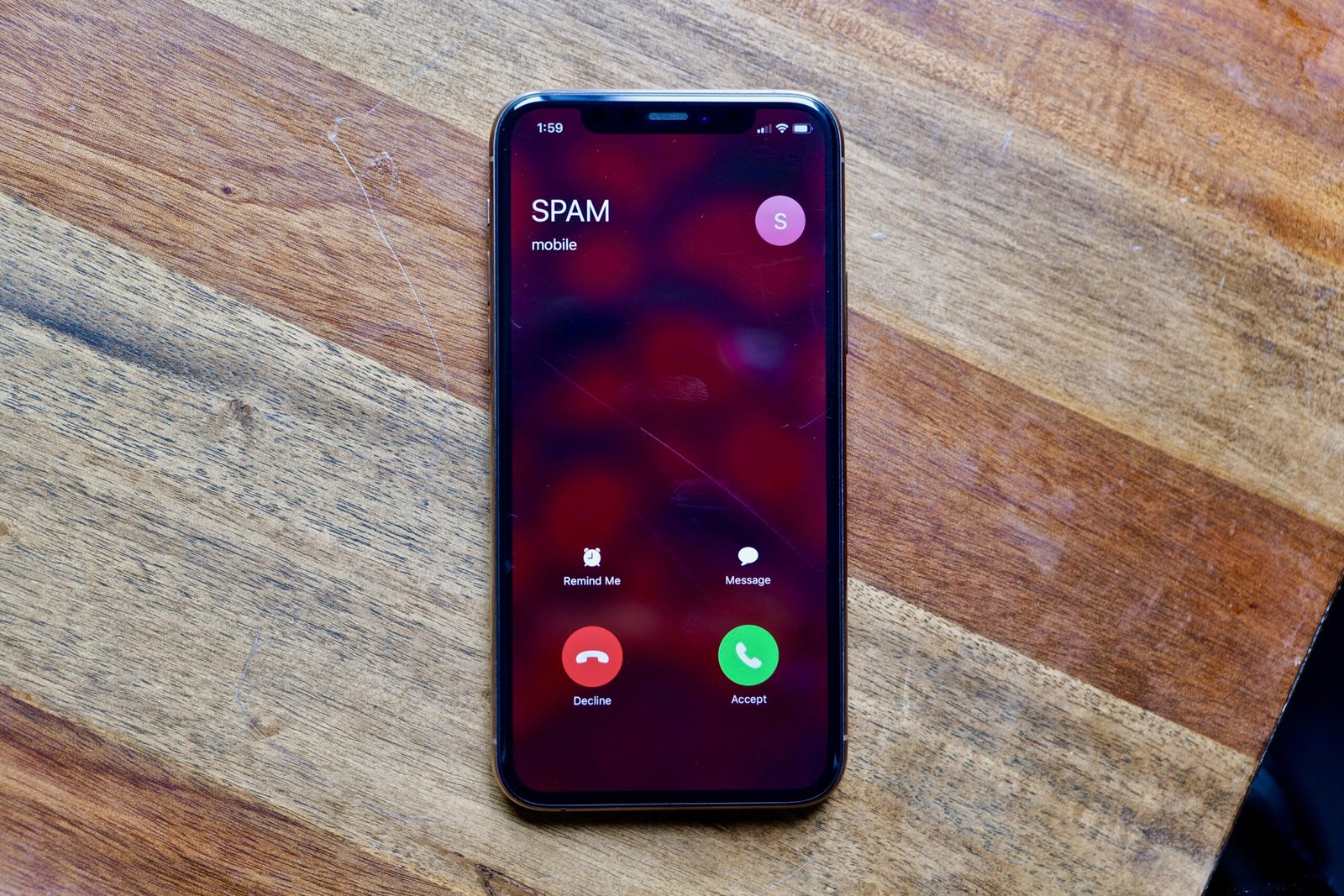
- Annoyances from Spam: An influx of robocalls, spam texts, and unwanted marketing messages can be expected.
In essence, the more someone can connect your phone number to a wealth of personal information, the more leverage they gain.
Identifying Misuse of Your Phone Number
Receiving spam calls or finding your number on people search sites doesn’t necessarily indicate that someone has gained control over your phone. Most unsolicited communications are simply spam.
However, if you believe someone is misusing your phone number, it’s a cause for concern. Watch for these warning signs:
- Unsolicited Authentication Codes: If you receive codes you didn’t request, someone might be trying to gain access to your accounts. While this isn’t always alarming on its own, it’s wise to change your password.
- Unexpected Password Resets: Reset emails or texts you didn’t initiate could indicate phishing attempts. If uncertain, avoid clicking any links and navigate directly to the official website instead.
- Unknown Login Alerts: Be vigilant about notifications regarding new devices or suspicious activity on your accounts.
- Unrequested Carrier Changes: Notifications about SIM, eSIM, and number transfers should be taken seriously.
- Unsent Calls or Messages: If others report that your number is contacting them, this may be due to caller ID spoofing.
- Sudden Account Lockouts: If you suddenly cannot access your accounts, investigate the cause immediately.
A significant warning sign is losing cellular service unexpectedly. If your phone stops functioning normally—unable to make calls or send texts—especially when paired with other alerts, contact your carrier immediately. This may indicate a SIM swap or unauthorized transfer.
Steps to Protect Your Phone Number

While complete privacy for your phone number may be unattainable, as you likely have shared it with numerous companies over the years, you can take steps to minimize its usefulness to potential bad actors.
- Strengthen Your Carrier Account: Use a unique password and account PIN, activate multifactor authentication (MFA), and enable any number or port-out locks offered by your carrier. A SIM PIN protects the SIM card itself, while carrier protections safeguard against fraudulent transfers.
- Employ Stronger MFA: While SMS codes are a start, using authenticator apps or hardware security keys can provide better protection against SIM swapping attempts.
- Utilize Passkeys: These are resistant to phishing and don’t rely on passwords or texted codes.
- Avoid Password Reuse: A password manager can help create and store strong, unique passwords for each of your accounts.
- Remove Your Number from Public Profiles: Eliminate your number from social media, job boards, and other public listings. Disable phone number searches on social accounts whenever possible.
- Address Data Broker Listings: Either opt out yourself or consider hiring a data removal service to assist you, keeping in mind that your information may not disappear entirely.
- Consider a Secondary Number: Using a prepaid line or VoIP number for less critical accounts can help protect your main number. Be aware that some banks may not permit VoIP numbers.
- Secure Your Device: Use a strong passcode, biometric authentication, keep your device updated, and remove unnecessary app permissions.
- Be Cautious with Unexpected Requests: Never provide authentication codes or click links from texts claiming there’s an emergency. Instead, verify directly through the company’s app or website, or by calling a known legitimate number.
What to Do if Your Phone Number is Compromised
While merely knowing your phone number isn’t a reason to change all your passwords or acquire a new number, if your phone loses service unexpectedly, contact your carrier from another device immediately. Inquire if a new SIM or eSIM has been activated, if your number has been transferred, or if call forwarding has been enabled. If your number has indeed been hijacked, work to restore it and add any necessary transfer locks and protections your carrier offers.
Next, examine your primary email account—this is crucial since access to it can facilitate password resets for other accounts. Review your bank, social media, and other significant accounts for unfamiliar logins, altered recovery information, unrecognized messages, or unauthorized transactions.
If you detect any suspicious activity, change relevant passwords, log out unknown sessions, and switch to alternative authentication methods whenever possible. If someone is impersonating you, inform friends and family to disregard any unusual requests for money or assistance.
In cases where you’ve suffered financial loss or identity theft, contact your bank and affected institutions, consider freezing your credit with major bureaus, and file a report through IdentityTheft.gov. Keep records of screenshots, communications with your carrier, transaction histories, and case numbers for reference.
Generally, obtaining a new phone number should rank low on your list of priorities.
Treat Your Phone Number as Personal Information
Your phone number should not be considered a password, nor should it be treated as one. Simply knowing your number does not grant anyone access to your digital life. The risks emerge when that number is connected to a wealth of other information scattered across the internet.
While you might not be able to keep your phone number completely confidential, exercise caution in sharing it and ensure that merely knowing your number doesn’t grant anyone undue advantage.