U.K. Consumer Rights Group Files Legal Claim Against Apple
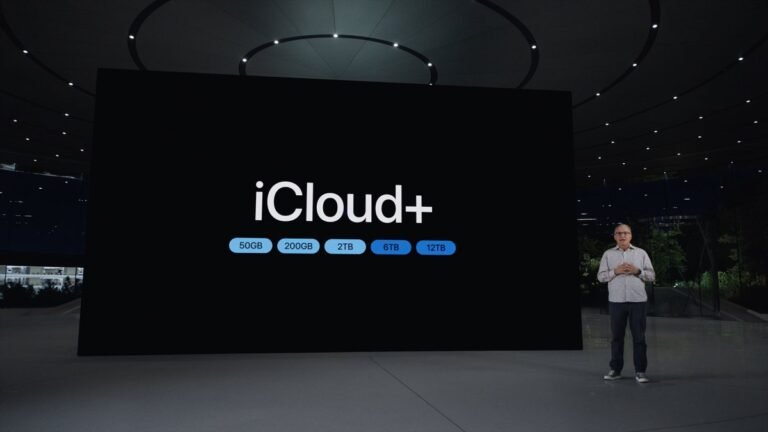
U.K. consumer rights group ‘Which?’ is filing a legal claim against Apple under competition law on behalf of some 40 million users of iCloud, its cloud storage service. The lawsuit, seeking £3 billion in compensation damages (around $3.8 billion), alleges that Apple has given preferential treatment to its own cloud storage service, effectively locking people into paying for iCloud at high prices.
Apple’s Alleged Monopoly and Unfair Advantage
The lawsuit accuses Apple of using its dominance in iOS to gain an unfair advantage in the cloud storage market. Apple is accused of encouraging users to sign up for iCloud for data storage needs and making it difficult for consumers to use alternative providers. The suit also claims that Apple overcharged U.K. consumers for iCloud subscriptions due to lack of competition.
Apple’s Response and Opt-In Basis
In response to the lawsuit, Apple stated that users are not required to use iCloud and can choose from a range of third-party alternatives for data storage. Apple claims its pricing for iCloud is similar to other providers, and many customers do not pay for iCloud+ as they use alternative options. The U.K. claim allows eligible consumers to opt out, with Litigation Capital Management funding the litigation.
Potential Resolution and Legal Action
Which is urging Apple to resolve the claim by offering consumers refunds and allowing real choice for cloud services on iOS. Chief executive Anabel Hoult stated that the legal action aims to prevent similar behavior in the future and create a more competitive market. If Apple does not settle out of court, the next stage will depend on whether the CAT grants permission for Which to act as a class representative for consumers.
Overall, the increasing number of class action-style suits against Big Tech highlights ongoing antitrust enforcements and the push for fair competition in the market. Apple has faced similar legal challenges in the U.K., including antitrust suits related to the App Store fees and alleged price collusion with Amazon.