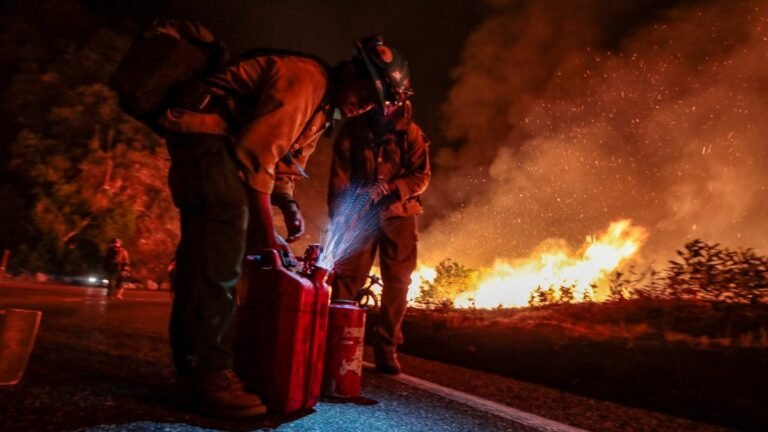
Arizona lawmakers are currently discussing a bill that could provide protection for utilities against lawsuits related to wildfires, a potential move that could have significant implications for the insurance industry. The proposed bill aims to raise the bar for proving that utilities are responsible for wildfires caused by faulty or poorly maintained equipment, while also capping the damages that can be claimed. In return for reduced liability, utilities would be required to submit plans every two years outlining the measures they are taking to mitigate the risk of wildfires.
Impact on Insurance Industry
The insurance sector has been grappling with the financial aftermath of wildfires, and the bill could inadvertently shift the burden of wildfire claims from utilities to homeowners’ insurers. This shift could result in higher insurance premiums for homeowners or increased utility costs. Some residents in Arizona have already experienced tripled insurance rates and dropped coverage due to insurance companies trying to manage their losses from wildfire claims.
Environmental Factors
The bill’s proposal comes at a time when states across the Western U.S. are facing the escalating threat of wildfires exacerbated by climate change and years of fire suppression. Historically, fires in the U.S. were immediately extinguished, disrupting the natural cycle of low-intensity fires that cleared the forest floor of brush and leaf litter. This led to the accumulation of “ladder fuels,” which propagate fires from the ground to the canopy, resulting in more catastrophic wildfires.
Climate change has further intensified the risk of high-intensity wildfires by causing rising temperatures, prolonged droughts, and reduced snowpack. These conditions have facilitated the proliferation of insects like pine beetles, which have killed millions of trees, creating ample fuel for wildfires. The combination of these environmental factors has fueled the increase in devastating wildfires in recent years.