
Investors are showing strong interest in Swedish vibe-coding startup Lovable, with unsolicited offers valuing the company at over $4 billion, Read more

Meta-owned Instagram is once again taking inspiration from TikTok by introducing a new feature. This time, users can now play Read more

The U.S. Treasury has uncovered a sophisticated fraud network used by North Korea to target American companies with hackers disguised Read more

Since 2020, iPhone users have been dealing with problems integrating Google Assistant with Waze on iOS. The company has been Read more
Pixel devices have always been a reflection of how Google sees Android, as well as a platform to showcase its own apps and technology advances. In the current era, this vision encompasses Google’s consumer AI suite. Google wants Pixel owners to live and breathe Google AI in all aspects of their lives through the new devices.
The Hardware
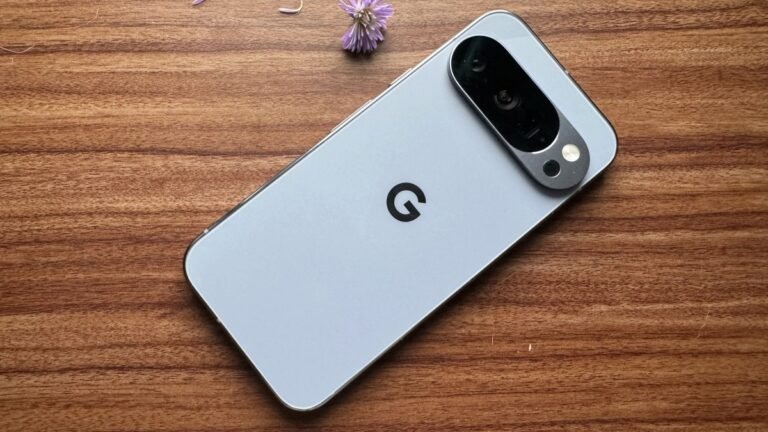
In terms of its hardware, the Pixel lineup didn’t go through drastic changes this year. The most notable point was possibly the base Pixel 10 getting a telephoto camera. The other notable addition was Pixelsnap — Google’s version of MagSafe with Qi2 charging — which unlocks a number of accessories, including chargers and stands.
I have been using the Pixel 10 Pro for the last few days, a device that has a new, brighter screen, more RAM, and a pro camera.
System AI Features
Google’s software features have been a mainstay of Pixel phones for a long time, but with AI, that slant becomes more prominent.
All companies are packing mentions of AI technology in their device presentations. However, customers often get only a partial version of those promises when they get the device in their hands for the first time.
Magic Cue, one of the marquee AI features of this year, contextually surfaces information from one app to another. It’s designed to surface information such as restaurant reservations, flights, or hotel bookings in a contextual way.
Camera and Image AI Features
Pixel’s camera hardware is solid, and it takes signature, punchy pictures. While there aren’t very notable changes to camera hardware, Google has added a lot of software updates.
Super Res Zoom, new to the Pixel 10 Pro, is one of the most impressive camera features to use. The phone stores both AI-processed and non-processed photos to show you the difference.
Google is also shipping an updated Portrait mode with the ability to take 50-megapixel images. The company is using some frame-mashing techniques to take good group photos with the new AI-powered Best Take feature.
So, which Pixel should you buy?
So why would you want to buy a Pixel? Maybe you are already a Pixel user and your phone is old, and you want to upgrade to a new one. Maybe you were using an iPhone and wanted Google’s version of the Android experience. All these are good reasons to buy a new Pixel.
The promise of “AI phones” is that your experience will get better over time, and the company will be able to ship you more features. Google is painting — or generating — a magnificent version of AI, but not everyone is living in AI utopia. Google’s AI is everywhere now in Pixel, but you won’t always need it.