
Bitcoin reached a new all-time high of $118,900 on Friday, surpassing its previous record of $113,822 set on Thursday. As Read more

Selling software to companies can be a daunting task, especially when it comes to meeting security requirements. Chas Ballew, founder Read more

Earlier this week, San Diego startup Gallant announced $18 million in funding to bring the first FDA-approved ready-to-use stem cell Read more
The world’s richest man buys out one of the most popular social media platforms and uses it as a propaganda Read more
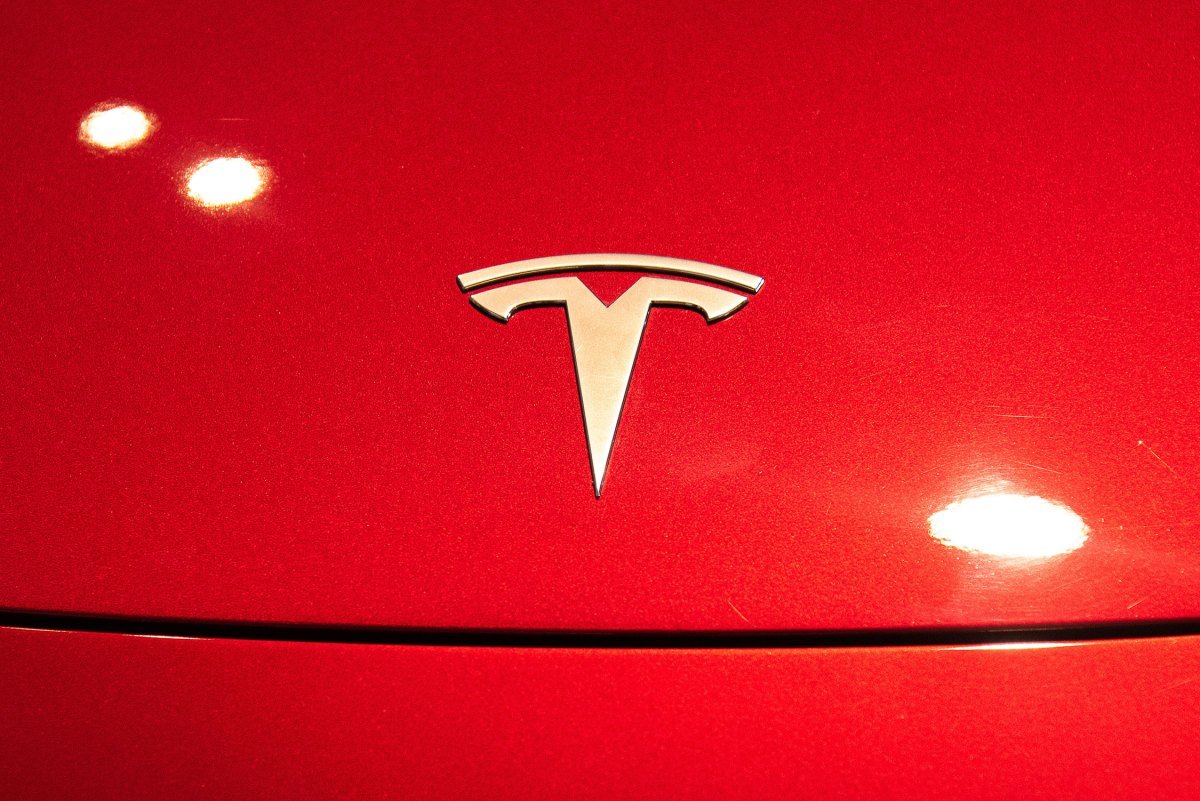
Tesla is set to launch a limited version of its robotaxi service in San Francisco after a recent rollout in Austin, Texas. The company will invite Tesla owners to test the service, but faces potential regulatory issues in California.
Regulatory Challenges in California
Two state agencies regulate autonomous vehicles in California. The California Department of Motor Vehicles oversees testing and deployment of autonomous vehicles, requiring permits for various stages. Tesla currently holds a permit for testing with a human safety operator but lacks permits for driverless testing and deployment.
Additionally, Tesla lacks permits from the California Public Utilities Commission for commercial ride-hailing services using autonomous vehicles. This includes a permit for autonomous passenger service with or without a driver.
Tesla’s Progress and Challenges
While Tesla has been testing its robotaxi service in Austin, the service is limited and monitored by safety operators. The company has yet to demonstrate the capability of its Full Self-Driving software for a widespread robotaxi network.
Elon Musk, Tesla’s CEO, has expressed confidence in the company’s autonomous software but has faced challenges in delivering on promises. Despite plans to expand to Florida and Arizona, regulatory hurdles in California and ongoing legal issues could impact Tesla’s robotaxi ambitions.
As Tesla navigates regulatory obstacles, the future of its robotaxi service remains uncertain. The company’s efforts to revolutionize transportation with autonomous vehicles will continue to face scrutiny and challenges, particularly in key markets like California.