
Investors are showing strong interest in Swedish vibe-coding startup Lovable, with unsolicited offers valuing the company at over $4 billion, Read more

Meta-owned Instagram is once again taking inspiration from TikTok by introducing a new feature. This time, users can now play Read more

The U.S. Treasury has uncovered a sophisticated fraud network used by North Korea to target American companies with hackers disguised Read more

Since 2020, iPhone users have been dealing with problems integrating Google Assistant with Waze on iOS. The company has been Read more
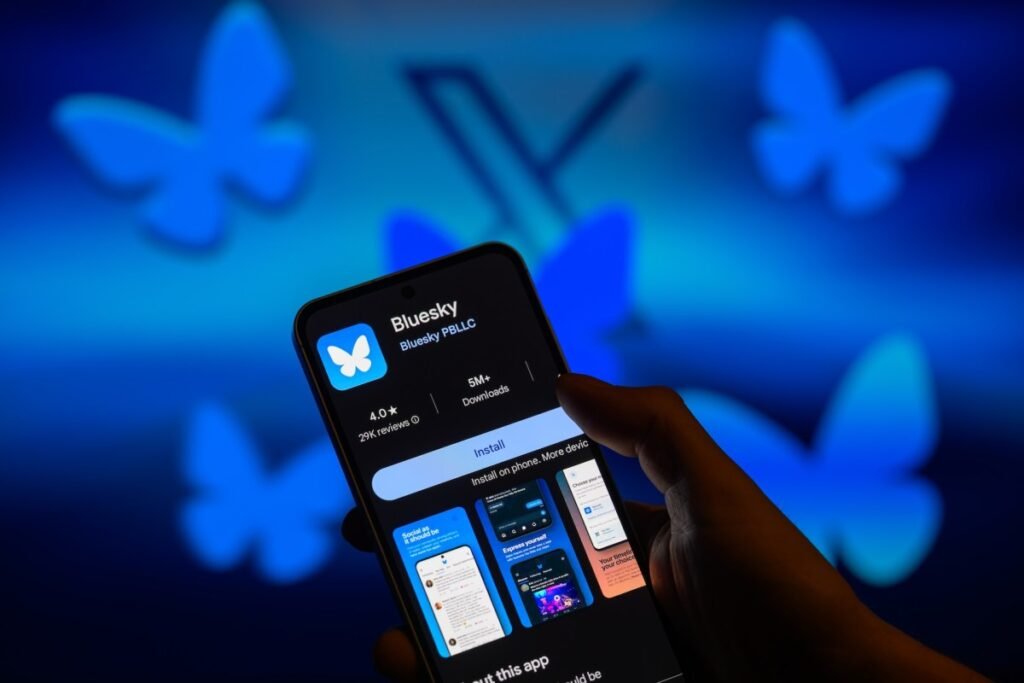
It is becoming increasingly easier to develop new applications on ATProto, the protocol powering Bluesky’s social network and a growing number of other apps.
At the ATmosphere conference in Seattle, Bluesky CTO Paul Frazee provided a sneak peek into the future development of the protocol and how it will enable developers to create more applications to expand the ecosystem.
Support for OAuth Authentication
One of the upcoming key additions is the support for the authentication standard OAuth, currently being tested by some developers. With OAuth, developers will be able to create user accounts on AT Protocol-based infrastructure, manage sessions, and access core account data.
This addition will allow consumers and end users to sign into applications more easily and securely, similar to signing in with accounts from tech giants like Google or Apple.
Publishing Lexicons on AT Protocol
Another significant change is the ability to publish lexicons, or schemas, that define the structure of data records directly on AT Protocol. This will facilitate the development of new applications as developers expand the ecosystem with lexicons for various types of applications.
When an application encounters an unfamiliar record, it can resolve the lexicon definition through a lookup process to understand how to interpret that data. Sharing these resources will save developers time in defining unique lexicons, as they can leverage those created by others in the ATProto community.
Future Developments
In the coming months, the Bluesky team will explore ideas around privately shared data, enabling new features like bookmarks. Additionally, there are plans to implement end-to-end encryption similar to Signal or WhatsApp, with progress potentially boosted by MLS, a security layer championed by the Internet Engineering Task Force.
Other upcoming developments include enhancing relays within the AT Protocol infrastructure, making it more cost-effective and scalable to run a relay. There are also plans to improve user experience with account migrations and support for transitioning to Bluesky’s servers.
These advancements were highlighted at the ATmosphere Conference in Seattle, as reported by TechCrunch.