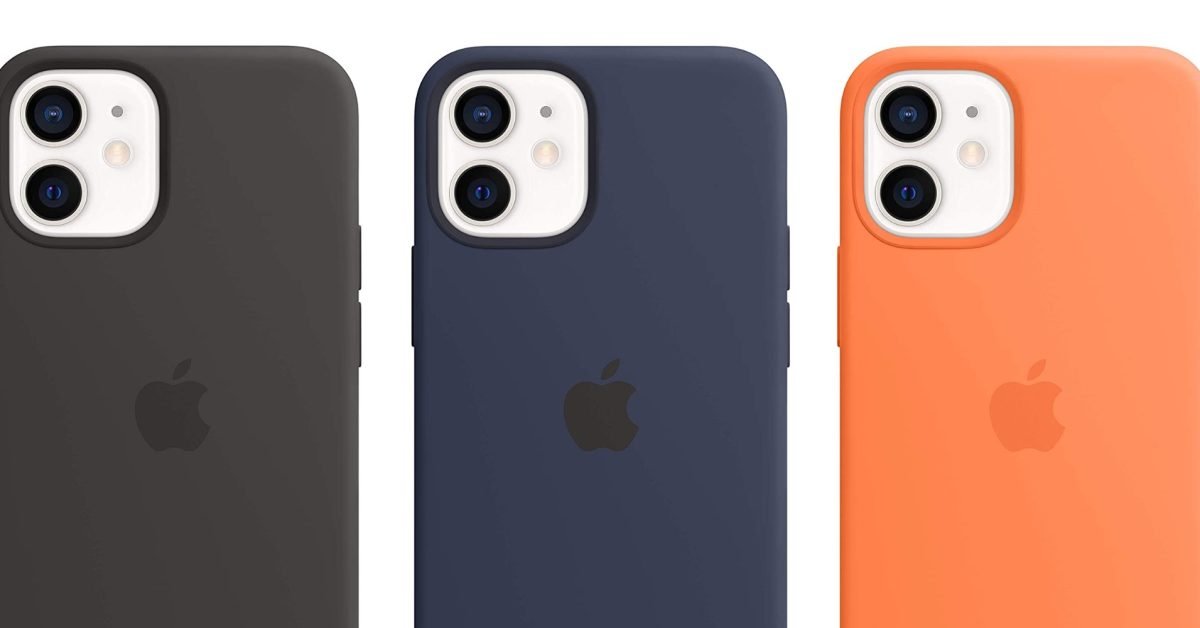
Apple secured seven out of the top ten spots in global smartphone sales throughout 2021, according to data from Counterpoint, as the company outperformed competitors despite global supply chain constraints. The rankings highlight a concentrated market where Apple, Samsung, and Xiaomi were the only manufacturers to break into the top ten list, with the iPhone 12 claiming the position of the world’s best-selling model.
Market Concentration and Top Performers
Despite more than 4,200 active smartphone models available on the global market last year, the top five best-selling devices were exclusively manufactured by Apple. The iPhone 12 led the industry with a 2.9% share of total global sales. It was followed in the top five by the iPhone 12 Pro Max, iPhone 13, iPhone 12 Pro, and iPhone 11.
Quarterly Performance and Consumer Trends
The iPhone 13 demonstrated significant market momentum, securing the third spot overall despite only being available since its September release. Counterpoint identified it as the “best-selling model in Q4 2021, followed by the iPhone 13 Pro Max and iPhone 13 Pro.” This trend indicates a strong consumer preference for the latest hardware iterations.
Further down the list, the iPhone SE 2020 and the iPhone 13 Pro Max also maintained high volume, ranking at numbers eight and nine, respectively. In contrast, competitors Xiaomi and Samsung captured the remaining three spots, with Xiaomi taking two positions and Samsung taking one.
Strategic Drivers: 5G and Regional Growth
The core of Apple’s sales volume was driven by its top three models—the iPhone 12, iPhone 12 Pro Max, and iPhone 13—which collectively accounted for 41% of the company’s total annual sales. Aggressive carrier promotions and a sustained demand for 5G upgrades were primary catalysts for this growth. The iPhone 12, as Apple’s debut 5G device, remained a high-performing legacy model throughout the period.
Global Market Resilience
Apple’s 2021 performance reflects broader dominance in key regions. Previous reports indicate that the company maintained a leading market share in the United States and saw a notable increase in popularity within China during the fourth quarter of 2021. This growth occurred even as the industry faced significant logistics and component challenges.