
Caroline Mitterdorfer began her fertility journey after a cancer diagnosis at age 27. She co-founded Levy Health to help speed Read more

Large corporations typically play it safe when it comes to consumer hardware, sticking to incremental updates year after year. Lenovo, Read more

Welcome to the Edtech World Big news in the education tech world! PowerSchool, the edtech giant, recently experienced a data Read more

Telegram Expanding Access to Crypto Wallet Telegram is now offering its crypto wallet to its 87 million users in the Read more
India’s Rising Influence in Digital Payments
India’s approach to digital payments is setting a new standard for reducing reliance on Western payment networks. While regulators globally are increasing scrutiny on Visa and Mastercard for merchant fees, India has taken a different route by developing local payment networks that are gradually sidelining international card networks.
Unified Payments Interface (UPI) Success
The success of India’s Unified Payments Interface (UPI) system has been remarkable, with over 13 billion real-time transactions processed monthly, representing 71% of all transactions in the country. This system allows consumers and merchants to bypass traditional card networks by directly linking bank accounts through QR codes and phone numbers.
RuPay’s Growth and Exclusivity
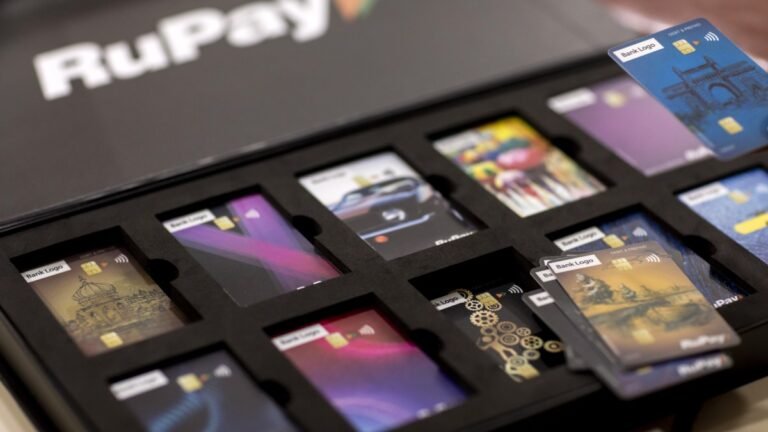
RuPay, a domestic card network in India, has seen substantial growth, especially after gaining exclusive rights to process credit card transactions through UPI. This exclusivity has been transformative, with RuPay processing significant amounts in credit card transactions, capturing 28% of the market share.
Government Initiatives and Changing Dynamics
India’s government has been actively promoting RuPay credit cards, leading to increased adoption, particularly among small businesses. The strategy involves fee calibration, with RuPay credit cards on UPI charging merchants for transactions above a certain threshold.
Challenges for Visa and Mastercard
Visa and Mastercard have had to adapt their strategies in India due to the rapid growth of UPI, partnering with fintech companies to support UPI-powered merchant terminals. However, the increasing dominance of UPI in the digital payments landscape poses a significant challenge to traditional credit card companies, threatening their market share in India.
The Future Outlook
As India’s digital payment ecosystem continues to evolve, the competition between local networks like UPI and global players like Visa and Mastercard intensifies. The need for innovation and adaptation is crucial for traditional payment networks to stay relevant in the face of India’s changing payment landscape.