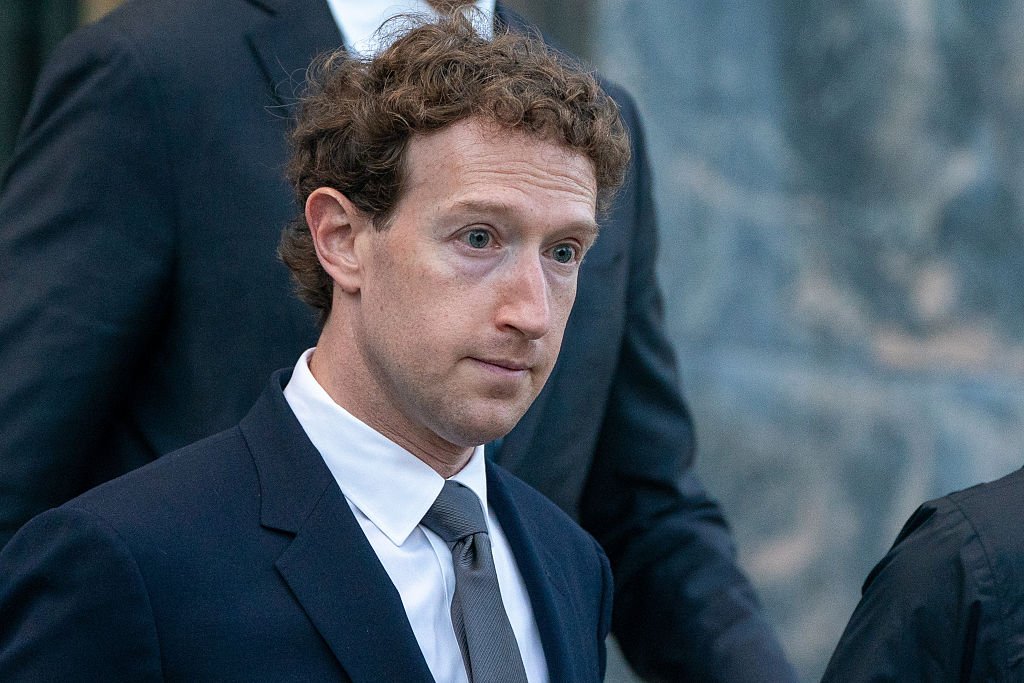
Meta CEO Mark Zuckerberg testified in Los Angeles Superior Court on Wednesday during a landmark trial investigating whether the tech giant’s social media platforms are intentionally addictive and harmful to children and teenagers. The proceedings have already revealed that Meta’s internal research suggested parental supervision was insufficient to prevent compulsive use, particularly among adolescents who have experienced traumatic life events.
Internal Research and Engagement Goals
During the testimony, legal counsel for the plaintiff—a 20-year-old identified as KGM—questioned Zuckerberg regarding internal objectives to increase daily app usage. While Zuckerberg previously informed a congressional hearing that such goals did not exist, the AP noted that evidence presented in court suggested otherwise. A 2015 email chain showed Zuckerberg advocating for a 12% increase in time spent in-app by users.
Safety Warnings and Underage Demographics
The court also addressed Instagram’s use of beauty filters. Internal experts at Meta had previously recommended banning these filters for teenagers due to potential psychological harm. Furthermore, documents from 2018 revealed that Meta was aware of significant numbers of underage users on its platforms. A Meta document from 2018 stated that, as of 2015, approximately 4 million children under the age of 13 held Instagram accounts, representing nearly 30% of U.S. children aged 10 to 12.
Age Verification and Regulatory Pressures
Zuckerberg defended the company’s position by stating that age verification remains a technical challenge. He suggested that smartphone manufacturers, such as Apple, should take a more prominent role in this process. This statement comes as Apple recently introduced age assurance tools for developers, following a surge in state-level legislation. Many U.S. states have now created or are developing specific laws to regulate social media access for minors.
Trial Proceedings and Legal Defense
Reports from the courtroom indicate that Zuckerberg maintained the company’s established talking points throughout his testimony. He frequently argued that the plaintiff’s legal team was taking internal documents out of context or mischaracterizing their original intent.
The plaintiff, Kaley (KGM), filed suit against four major social media companies alleging that their platforms are designed to be addictive. While TikTok and Snap reached settlements prior to the trial, Meta and YouTube have continued to defend their practices in court. Meta’s defense strategy has focused on Kaley’s personal history, attributing her mental health struggles to an unhappy childhood rather than social media consumption.
The outcome of this jury trial carries significant weight for the technology sector. A verdict against Meta could catalyze federal tech reforms, trigger new regulatory frameworks, and establish a precedent for future settlements with victims of social media harm.